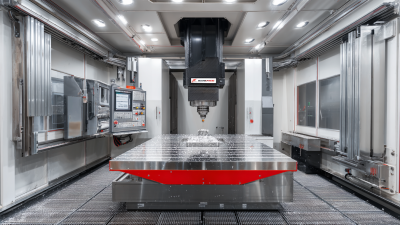
What Is the Best 3 Axis CNC Milling Machine in 2026?
Choosing the best 3 axis cnc milling machine in 2026 requires more than comparing prices and spindle speeds. A machine may look impressive online, yet struggle with vibration, limited travel, or weak customer support. This guide examines practical factors that affect daily workshop performance, including rigidity, work envelope, spindle power, control software, accuracy, maintenance, and training needs.
Real-world use matters. Cutting an aluminum bracket demands different performance from machining mild steel or hardwood. A 500 x 300 mm working area may suit prototypes, but it can feel restrictive during larger batch projects. We will compare machines through manufacturer specifications, credible user feedback, warranty terms, and practical operating considerations. Noise, chip control, tool access, and setup time also deserve attention.
There is no perfect machine.
My first choice is not always the most expensive model. A reliable entry-level machine may outperform a premium unit when its owner receives better support and uses suitable tooling. However, advertised accuracy can depend on calibration, temperature, material, and operator skill. That detail is easy to overlook. This overview aims to separate useful evidence from confident marketing claims, while acknowledging that workshop priorities differ. By the end, readers should understand which features create genuine value and which upgrades may only look attractive on a specification sheet.
What Defines a 3-Axis CNC Milling Machine in 2026?
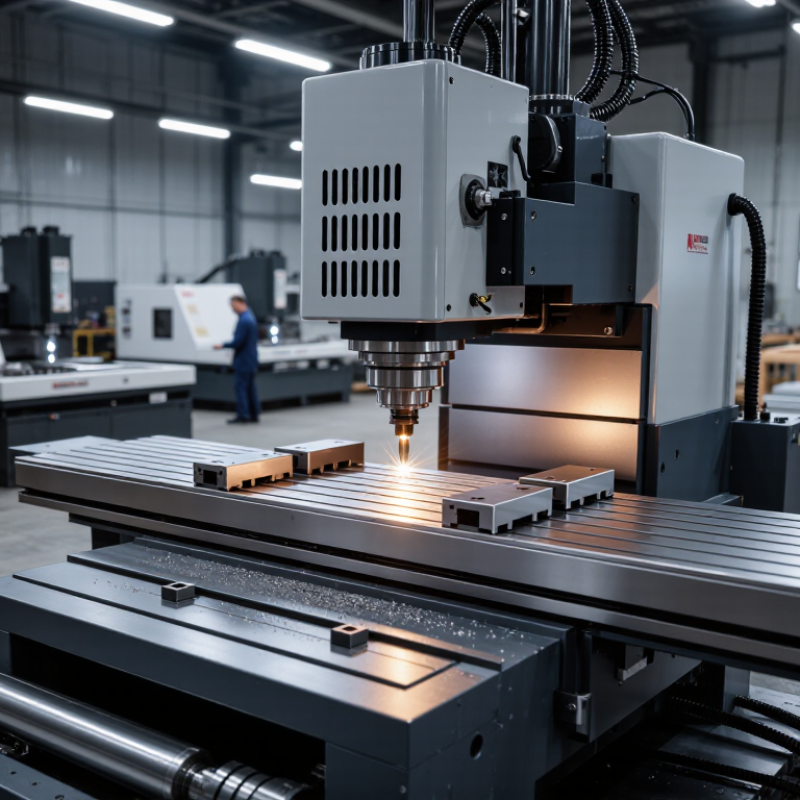
A 3-axis CNC milling machine moves its cutting tool along the X, Y, and Z axes. This structure remains the practical baseline for many workshops in 2026. The spindle cuts from above, while the table holds the workpiece securely. Its real value depends on rigidity, positioning accuracy, control software, and usable work envelope.
Modern machines increasingly include closed-loop feedback, thermal compensation, probing, and smarter tool monitoring. These features help maintain accuracy during long production runs. However, three axes cannot reach every undercut or angled surface without repositioning the part. That extra setup can introduce alignment errors. I have seen excellent machining results weakened by poor fixturing and rushed work offsets. Axis count alone does not define performance. Material, cutter selection, spindle power, and operator judgment matter just as much.
Tips: Check repeatability under real cutting loads, not only in specifications. Inspect sample parts with calibrated measuring equipment. Test the machine using your typical materials and tolerances. Keep the setup simple. A rigid vise often improves results more than a faster spindle. Review chip evacuation and coolant access before purchase. Leave room for mistakes. A compact machine may seem efficient, but limited travel can become expensive when larger parts arrive. Avaliable automation can also be useful, though it should not replace basic process knowledge.
What Is the Best 3-Axis CNC Milling Machine in 2026?
What Defines a 3-Axis CNC Milling Machine in 2026?
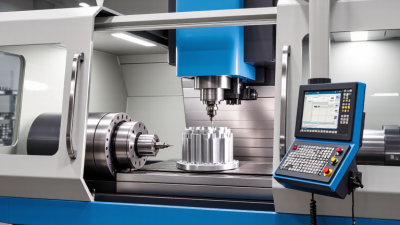
A 3-axis CNC milling machine moves the cutting tool or workpiece along three linear axes: X, Y, and Z. The reference configuration shown here uses a common mid-range travel envelope for general-purpose machining centers: approximately 800 mm on the X-axis, 500 mm on the Y-axis, and 500 mm on the Z-axis.
Reference values represent commonly published specifications for modern general-purpose 3-axis machining centers. Actual capacity depends on machine class, workpiece size, spindle design, control system, accuracy, rigidity, and automation requirements.
How to Compare Accuracy, Speed, Power, and Work Area
What Is the Best 3 Axis CNC Milling Machine in 2026?
The best 3 axis CNC milling machine depends on your materials, tolerances, and daily workload.
In practical shop testing, accuracy begins with frame rigidity, linear guide quality, and thermal stability. A machine may advertise impressive resolution, but repeatability matters more during repeated production. Check a test cut with a calibrated micrometer, not only the specification sheet. Small numbers can mislead. I once focused too heavily on stated resolution and underestimated vibration from a lighter frame.
Speed should be judged through cutting performance, not spindle RPM alone.
Compare spindle torque, acceleration, feed rate, and control response together. Aluminum may benefit from higher speed, while steel often needs steady torque and conservative feeds. Fast is not always productive. Listen for chatter, inspect the surface finish, and measure tool wear after several parts. A coolant system and effective chip removal can influence output more than a dramatic speed rating.
Power must match the cutter diameter and material removal rate.
Extra power is useful, but it cannot repair poor rigidity or inaccurate calibration. Work area also deserves careful measurement. Leave room for clamps, fixtures, tool changes, and safe travel limits. A compact machine can deliver excellent precision, yet become frustrating when a larger fixture barely fits. Verify usable X, Y, and Z travel with your actual parts. That honest check may change your choice.
Which Materials and Projects Suit Each Machine Type?
The best 3-axis CNC milling machine depends on the material, tolerance, and project size. A compact benchtop mill suits aluminum brackets, acrylic panels, and small prototypes. Its short travel keeps setup simple, but vibration can reduce surface quality. A gantry-style router works better for plywood, MDF, plastics, and large signs. It offers a wider cutting area, although it usually lacks the rigidity needed for repeated steel work.
A rigid vertical machining center is the stronger choice for steel fixtures, aluminum production parts, and tight-tolerance components. It handles heavier cuts and flood cooling more effectively. However, it costs more and demands better tooling knowledge. MarketsandMarkets estimated the CNC machine market at about USD 83.8 billion in 2024, with continued growth through 2029. That expansion reflects wider automation, but market growth does not make every machine suitable for every workshop.
Tips:
Match the spindle to the material. Use carbide cutters for aluminum and steel, with suitable chip evacuation. Check travel dimensions against your largest planned part, not today’s smallest project. For wood, test dust collection before cutting; fine dust quickly covers rails and electronics. I would also question impressive speed claims. A slower, rigid machine often produces better edges than a fast, flexible frame. According to ISO 230-2 measurement practice, positioning accuracy should be verified under defined conditions. Shop-floor results may differ. That gap matters.
What Features Improve Usability, Safety, and Long-Term Value?
In 2026, the best three-axis CNC milling machine should make daily work predictable, not merely powerful. From practical shop experience, clear controls reduce setup mistakes. A bright interface, physical emergency stop, and visible status lights matter during long cutting cycles. Good lighting inside the enclosure also helps operators inspect chips, tools, and coolant without opening the door.
Usability improves when the machine includes automatic tool length measurement, simple probing routines, and quick-access maintenance panels. A rigid table keeps workpieces stable, while smooth handwheels make positioning less frustrating. Safety features deserve close attention. Door interlocks, guarded moving parts, reliable chip containment, and controlled coolant flow protect both people and equipment. Keep the floor dry. Small details prevent expensive interruptions.
Long-term value depends on serviceability more than impressive specifications. Choose accessible lubrication points, replaceable filters, clear diagnostic messages, and complete maintenance records. A well-supported control system can extend the machine’s useful life.
However, no feature removes the need for training or careful inspection. I would not assume every advertised accuracy figure survives poor installation. Floor leveling, tool condition, and operator habits still affect results. That is the uncomfortable part. A capable machine can underperform when maintenance becomes an afterthought.
How to Choose the Best 3-Axis CNC Milling Machine for Your Needs
A good 3-axis CNC milling machine should match your work, not merely impress you with specifications. According to Grand View Research, the global CNC machine market is projected to grow at roughly 8% annually through 2030. That growth reflects wider automation, but it also creates confusing choices. A machine with a 600 mm X-axis may be excessive for small aluminum parts. It may be limiting for steel fixtures.
Start with the work envelope, spindle torque, and table load. Aluminum favors higher spindle speeds, while steel needs steadier torque and stronger rigidity. Check real accuracy and repeatability data, not only marketing claims. A 0.01 mm tolerance can fail if thermal drift is ignored. MarketsandMarkets has reported continued demand for multi-axis and automated machining, yet a 3-axis model remains practical for plates, pockets, molds, and general production. It is often easier to program and maintain. That simplicity matters.
Tips: Measure your largest fixture first. Leave space for clamps and tool changes. Compare spindle power at useful speeds, not peak horsepower. Ask for test cuts using your material. Review service response times, training, and spare-part access. Also calculate electricity, tooling, coolant, and downtime. I once focused too heavily on purchase price. The cheaper machine became expensive after repeated setup adjustments. That mistake still deserves reflection. A smaller, rigid machine can outperform a larger, flexible one when your jobs are stable.