2026 Top Stainless Steel Water Tank Options for Global Buyers
As the global demand for durable and efficient water storage solutions grows, the spotlight shines on Stainless Steel Water Tanks. These tanks are celebrated for their longevity, strength, and resistance to corrosion. They serve a myriad of applications, from residential use to industrial needs. Many buyers seek innovative options that align with sustainability.
In 2026, the market offers a variety of Stainless Steel Water Tank choices. Consumers can select sizes and designs tailored to specific requirements. Each tank presents unique features to appeal to diverse needs. However, navigating these options can be overwhelming. It’s essential to weigh factors like capacity, cost, and installation.
While Stainless Steel Water Tanks are a reliable choice, some still face challenges. Users may encounter issues with maintenance and cleaning. Understanding these factors can lead to better purchasing decisions. A well-informed buyer is crucial to ensuring satisfaction and longevity in their investment.
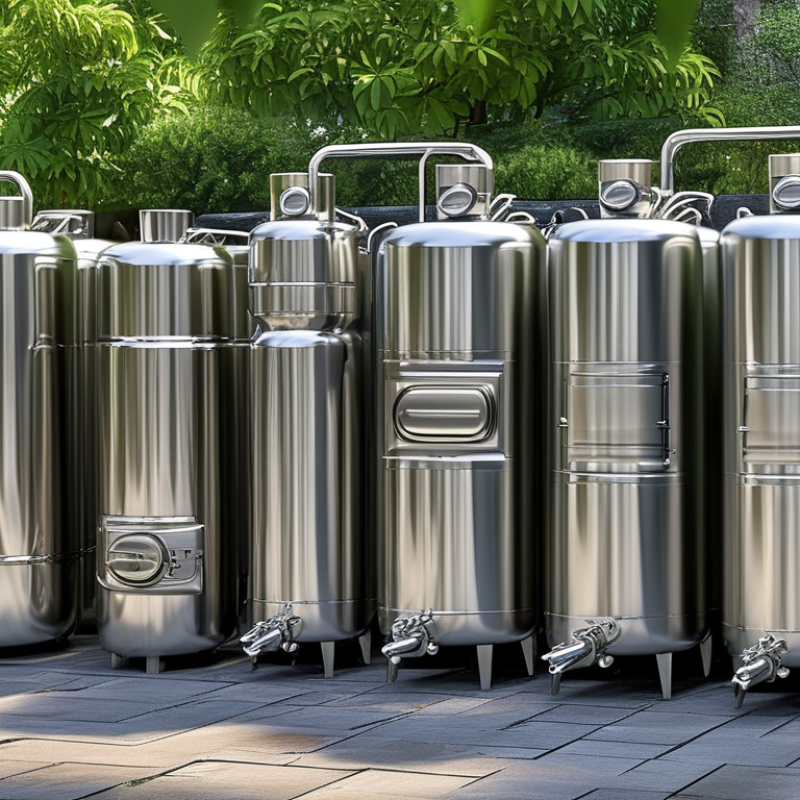
2026 Global Market Overview for Stainless Steel Water Tanks
The global market for stainless steel water tanks is experiencing significant growth. According to industry reports, the market is projected to reach USD 2.5 billion by 2026, expanding at a compound annual growth rate (CAGR) of 6.2%. This growth is driven by increasing demand for durable and corrosion-resistant water storage solutions.
Many sectors benefit from stainless steel tanks. They are favored in industries such as food and beverage, pharmaceuticals, and agriculture. The food sector alone accounts for approximately 40% of the stainless steel tank market. This is due to the material's hygienic properties and resistance to contamination. However, the high initial cost can be a barrier for smaller businesses.
The adoption of advanced technologies is also an ongoing trend. Smart water management systems are being integrated into tank designs. This allows for real-time monitoring and maintenance, reducing operational costs. While sustainability is a priority, the production process for stainless steel can have a significant environmental impact. Striking a balance between efficiency and eco-friendliness remains a challenge for manufacturers. Stakeholders must constantly reassess their practices to ensure responsible sourcing and production.
Key Features and Benefits of Stainless Steel Water Tanks
Stainless steel water tanks offer a range of key features that make them a top choice for global buyers. They are known for their durability. Unlike plastic, stainless steel resists corrosion and guarantees longevity. This ensures that the water stored remains uncontaminated.
Another benefit is their hygienic properties. Stainless steel is non-porous, which prevents bacteria buildup. This is crucial for maintaining safe drinking water. Additionally, these tanks can withstand extreme weather conditions. However, it is essential to choose the right thickness for your environment.
Cost is a significant consideration. Stainless steel tanks often have higher upfront costs compared to other materials. However, their lifespan and minimal maintenance needs can lead to savings over time. Some buyers may overlook this long-term aspect. It's important to weigh initial expenses against future benefits. Not all stainless steel is created equal. Researching quality and certifications is vital for making an informed choice.
Top Manufacturers and Innovations in Stainless Steel Water Tank Industry
The stainless steel water tank industry is experiencing notable advancements. Various manufacturers are focusing on sustainability. Many are using eco-friendly processes to produce more durable tanks. Innovations in coatings and linings enhance longevity and resistance to corrosion. These features cater to diverse global climates.
It's essential to assess quality and certifications when considering purchases. Some manufacturers are prioritizing advanced technologies like smart monitoring systems. These allow for real-time tracking of water levels and tank conditions. However, potential buyers must evaluate the reliability of these systems. In some cases, the technology may not perform as expected.
Additionally, consumer feedback is crucial. It offers insights into performance and durability. Sifting through reviews helps identify which features matter most. Throughout the industry, there remains a challenge. Striking a balance between innovation and affordability is critical for manufacturers.
2026 Top Stainless Steel Water Tank Options
Comparative Analysis of Capacity and Pricing Trends in Water Tanks
As global demand for stainless steel water tanks rises, understanding capacity and pricing trends becomes crucial. Buyers now have a diverse array of options. Tank capacities vary widely, from 500 liters to over 50,000 liters. This range makes it essential for buyers to assess their specific needs carefully. Larger tanks often carry a premium price. However, smaller tanks offer flexibility and affordability.
Price fluctuations in the market significantly affect buyer decisions. Many consumers may overlook the long-term cost of ownership. Cheaper tanks may require frequent replacement or maintenance. It's important to weigh initial costs against durability and lifespan. Competitive pricing may seem attractive but should not dilute quality considerations. A well-built tank might cost more upfront, but it provides greater value over time.
Buyers should also reflect on environmental impact. Stainless steel is recyclable, contrasting with other materials that may not be. Understanding these nuances can guide smarter purchases. Factors like maintenance and installation can also impact total investment. Thus, evaluating all aspects ensures better choices in water tank selection.
Sustainability Trends and Eco-Friendly Practices in Water Tank Production
The water tank industry is increasingly embracing sustainability trends. Manufacturers are now focusing on eco-friendly practices in their production processes. This shift is driven by growing consumer awareness about environmental impact. More buyers seek tanks made from recycled materials. Using stainless steel is a positive step forward. It is durable and recyclable.
Many production facilities are investing in renewable energy. This reduces the carbon footprint. However, not all manufacturers comply with green standards. Some still rely on harmful processes. This inconsistency raises concerns about long-term sustainability. Transparency in production is crucial for buyers who value eco-friendliness.
The importance of reducing water waste cannot be overstated. Innovative designs now prioritize efficient usage. Yet, there are challenges. Not every tank meets the highest standards. Consumers need to question manufacturers about their environmental policies. Awareness leads to better choices. Engaging with responsible brands can drive positive change in the industry.
2026 Top Stainless Steel Water Tank Options for Global Buyers
| Model | Capacity (Liters) | Type | Sustainability Features | Price Range (USD) | Customer Rating (Out of 5) |
| Model A | 1000 | Above Ground | Recyclable Materials | $500 - $700 | 4.5 |
| Model B | 2000 | Under Ground | Low Carbon Footprint | $800 - $1000 | 4.7 |
| Model C | 500 | Portable | Solar Powered | $300 - $450 | 4.3 |
| Model D | 1500 | Modular | Eco-Friendly Coating | $600 - $800 | 4.6 |