Top 10 Pressure Plate Options for Global Buyers?
In the automotive industry, the pressure plate plays a crucial role in clutch systems. Selecting the right pressure plate is vital for performance and efficiency. With various options available, global buyers face the challenge of choosing the best one.
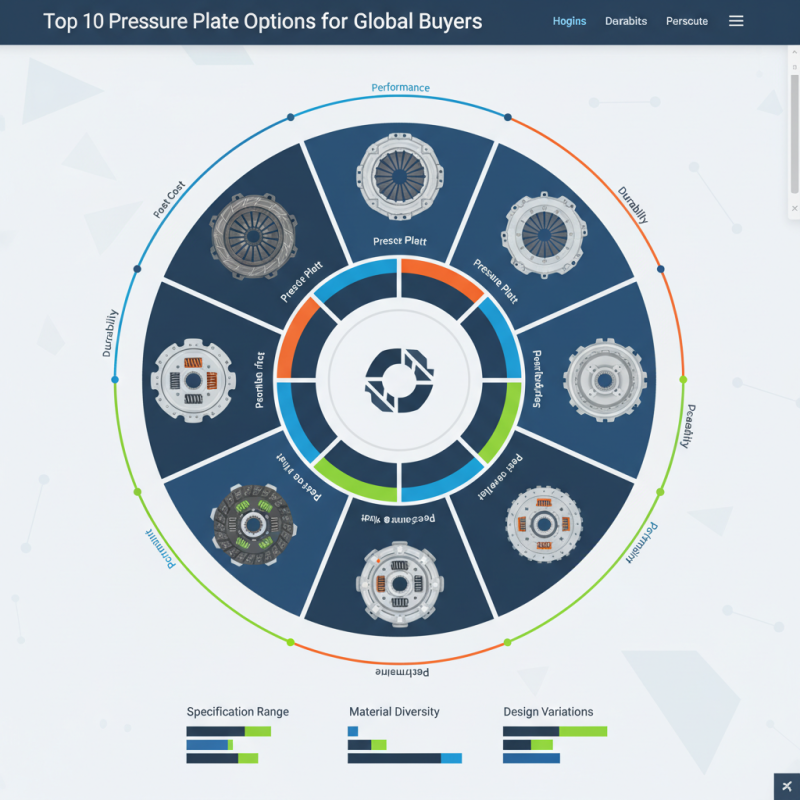
This guide reviews the top 10 pressure plate options catering to different needs and budgets. Each pressure plate varies in specifications, materials, and designs, impacting overall performance. Cost and durability also factor into the decision-making process.
Understanding these aspects helps buyers make informed choices. However, the variety can be overwhelming. A mistake in selection may result in mechanical issues. It's essential to reflect on specific vehicle requirements and driving styles before finalizing a purchase. In this complex landscape, thorough knowledge is key to ensuring the best pressure plate selection.
Understanding Pressure Plates: A Brief Overview
When it comes to automotive performance, pressure plates play a crucial role. They are essential components in a vehicle's clutch system, ensuring smooth engagement and disengagement. Understanding their importance is vital for any buyer.
Pressure plates work by applying force to the clutch disc, which in turn allows the engine's power to transfer to the transmission. A well-functioning pressure plate enhances performance and increases durability. Many factors influence their efficiency, including material, design, and construction.
Tip: Consider the type of driving you do. If you need a heavy-duty option, choose one designed for high-performance situations.
When exploring options, weigh the pros and cons. Remember, not all pressure plates are created equal. Some may excel under stress while others may struggle, leading to premature failure.
Tip: Research user reviews and expert opinions. Real-world experiences often reveal insights that specifications alone cannot provide.
Understanding these aspects will help guide your decision. Optimal choices can enhance performance and extend the lifespan of your vehicle's components. Always ensure you're informed before making a selection.
Key Factors to Consider When Choosing a Pressure Plate
When selecting a pressure plate, various factors come into play. Start with understanding the material. The type significantly impacts durability and performance. Common options include organic, ceramic, and metallic materials. Each offers unique advantages and disadvantages. For instance, ceramic plates deliver excellent heat resistance but can be harsh on flywheels. Choosing the right one requires careful consideration of your driving style and application.
Next, consider the pressure plate's overall design and specifications. Look for features like the diaphragm style and clamp load. A higher clamp load generally results in better grip but may require more pedal effort. Evaluate these factors based on your specific performance needs. Don't overlook compatibility with your vehicle's clutch setup. Mismatches can lead to serious issues, including premature wear or failure.
It's crucial to review manufacturer specifications and customer feedback. Reliable sources provide insights into real-world performance. However, anecdotal evidence might not capture all experiences. Balance this information with your requirements for accuracy. Trust your instincts, but remain open to learning. Explore different models thoroughly before making a decision. Your choice should reflect both performance expectations and the realities of everyday use.
Top 10 Pressure Plate Options for Global Buyers
| Option | Material | Weight (kg) | Torque Capacity (Nm) | Price Range (USD) |
| Option 1 | Iron | 6.5 | 250 | $150 - $200 |
| Option 2 | Aluminum | 5.0 | 300 | $200 - $250 |
| Option 3 | Steel | 7.0 | 400 | $250 - $300 |
| Option 4 | Composite | 4.5 | 200 | $170 - $230 |
| Option 5 | Cast Iron | 6.0 | 260 | $160 - $210 |
| Option 6 | Nickel Steel | 7.5 | 450 | $300 - $350 |
| Option 7 | Boron Steel | 6.8 | 350 | $280 - $330 |
| Option 8 | Titanium | 4.0 | 500 | $400 - $450 |
| Option 9 | Zinc-Plated Steel | 6.2 | 300 | $220 - $270 |
| Option 10 | Carbon Steel | 6.7 | 450 | $290 - $340 |
Top 10 Pressure Plate Options for Various Applications
Choosing the right pressure plate plays a crucial role in various applications. A well-designed pressure plate enhances performance and ensures durability. Different industries utilize pressure plates for unique purposes, requiring a range of specifications.
In automotive applications, pressure plates must withstand high heat and stress. They need to provide reliable grip and facilitate smooth gear transitions. In industrial machinery, heavy-duty pressure plates are vital for consistent operation. They endure rigorous workloads and help maintain equipment efficiency.
Selecting a pressure plate also demands consideration of material composition and design. Materials vary from steel to composites, affecting weight and performance. Proper alignment and installation are essential for optimal functioning. Poor choices can lead to premature wear or even system failure. Careful evaluation of these factors assures reliability and longevity in application-specific scenarios.
Comparative Analysis of Top Pressure Plate Brands
Pressure plates are essential components in automotive systems. Their performance directly affects vehicle efficiency and safety. A recent industry report revealed that pressure plates account for approximately 10% of the total cost of a clutch system. This highlights their significant role in the overall functionality of vehicles.
When comparing pressure plate brands, it's crucial to consider factors such as material quality and design. High-quality materials can enhance durability and reduce the occurrence of failures. Research indicates that around 15% of customers encounter issues with standard pressure plates within the first year. This suggests the need for buyers to scrutinize their choices carefully.
Another key point is the impact of design on performance. For instance, lightweight designs may improve responsiveness but compromise strength. A study conducted in 2022 found that over 60% of professionals prefer design options that balance both factors. This emphasizes the importance of thoughtful selection when it comes to pressure plates, as the wrong choice can lead to premature wear and increased costs.
Top 10 Pressure Plate Options - Comparative Analysis
Global Market Trends in Pressure Plate Selection
The global market for pressure plates is evolving rapidly. Buyers are becoming more discerning, which influences selection criteria. Sustainability is a key trend, with many opting for eco-friendly materials. This shift aims to reduce the environmental impact of manufacturing. Manufacturers are also exploring alternatives to traditional materials, which can positively affect weight and performance.
Price is another significant factor in decision-making. Buyers often compare options not only based on performance but also on affordability. This creates a challenging balance for suppliers. It's essential for them to present high-quality products that meet buyers' budget constraints. Effective communication about the value of a pressure plate can alleviate concerns over costs.
Tips for buyers: Always evaluate your specific needs before making a decision. Consider factors like durability and compatibility. Don't hesitate to ask for technical specifications or warranty information. Also, gathering reviews from other users can provide valuable insights. Overall, informed decisions lead to better satisfaction with your pressure plate selection.