China Top 10 Portable Gas Detector Manufacturers
Choosing a Portable Gas Detector is not just a matter of comparing prices. Accuracy, response time, alarm clarity, and service support can affect how well a device performs in real working conditions. A clear display matters in a dim plant room. So does an alarm that can be noticed over nearby machinery.
China has a broad manufacturing base for gas detection equipment, with suppliers serving industries such as manufacturing, energy, utilities, and environmental monitoring. This guide introduces ten manufacturers to help readers begin a practical comparison. It considers product range, stated technical capabilities, quality-control practices, customization options, and access to after-sales support. These factors can reveal useful differences. They do not replace independent verification.
Specifications deserve careful reading. Check which gases a model detects, its measuring range, sensor type, operating conditions, and calibration guidance. Ask for current datasheets and relevant test documentation. Confirm whether the supplier can explain routine maintenance and replacement parts. A polished product page is useful, but it is not enough.
Shortlist suppliers with your application in mind. A detector intended for routine facility checks may not suit every site or task. Discuss the actual environment with the manufacturer, including temperature, humidity, and expected exposure. Then compare written specifications, sample performance, and support terms. Small details matter.
The manufacturers listed here are a starting point, not a final endorsement. Company capabilities and product lines can change, and public information may not tell the whole story. That is worth remembering. Careful questions—and a little healthy skepticism—can make the selection process more reliable.
Portable Gas Detectors: Uses, Types, and Key Features
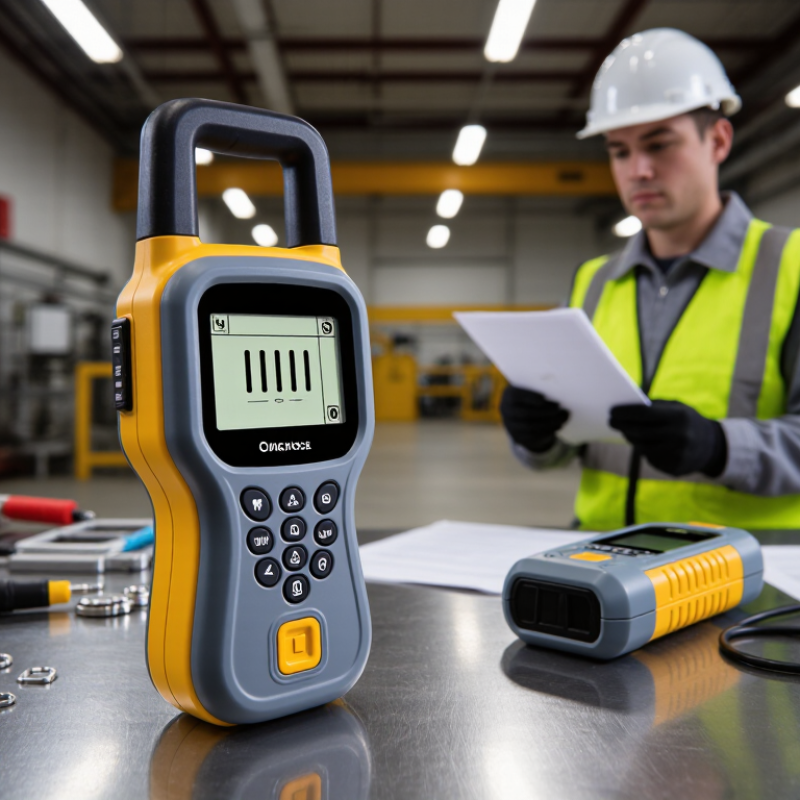
Portable gas detectors help workers check the air around maintenance sites, utility corridors, wastewater facilities, and battery rooms. They can warn of oxygen deficiency, combustible gases, or toxic gases such as carbon monoxide and hydrogen sulfide. A compact clip-on unit is useful during routine rounds. Multi-gas models suit jobs where several hazards may be present. Small, but essential.
Different sensing technologies respond to different gases. Electrochemical sensors commonly measure specific toxic gases, while catalytic sensors detect many combustible gases. Infrared sensors can measure certain combustible gases, and photoionization detectors can identify many volatile organic compounds. No sensor detects everything. Selection should match the likely hazards, operating conditions, and required measurement range.
Useful features include clear alarms, a readable display, sturdy housing, and a battery that lasts through the shift. Data logging and wireless readings can help teams review changing conditions, but they do not replace sound procedures. A screen can look reassuring, yet sensor limits and cross-sensitivities still matter. Check calibration status, perform function checks as directed by the manufacturer, and train users to interpret alarms. This routine is easy to rush on a busy day. That deserves a second look.
China’s Portable Gas Detector Manufacturing Landscape
China’s portable gas detector manufacturing landscape combines sensor integration, compact electronics, and practical enclosure design. Manufacturers typically bring together sensing elements, alarms, batteries, displays, and sampling components in one handheld unit. The work is not only about fitting parts into a small case. A detector must remain readable in dim plant rooms and manageable while a technician wears gloves.
Production capabilities can vary widely. Some facilities focus on assembly and customization, while others also handle circuit design, firmware, testing, and calibration. Buyers should ask how each unit is checked before shipment, which gases it detects, and how often calibration is recommended. Ask for test records. Clear documentation matters as much as a bright display. That matters.
The supply chain offers access to electronic components, molded housings, and battery options, which can support different configurations and production volumes. Yet a broad supplier base does not guarantee consistent performance. Sensor response, alarm settings, and battery life need careful verification under realistic conditions. Not always easy. Even small choices, such as button spacing or a charging-port cover, affect daily use. A product may look complete on a specification sheet but feel awkward during a long inspection. This is where the landscape deserves a closer look: capability is useful, but repeatable quality takes evidence, not promises.
Portable Gas Detector Landscape: Selected OSHA Exposure Limits
These values are selected U.S. OSHA permissible exposure limits (PELs), not market-share figures or detector alarm settings. CO, NH₃, and SO₂ values are 8-hour time-weighted averages; the H₂S value is a ceiling limit, so it is not directly comparable. Always check applicable local regulations and instrument guidance.
Profiles of Ten Leading Portable Gas Detector Manufacturers in China
China’s portable gas detector manufacturers serve varied industrial needs. These ten profiles are best compared by product focus, testing practices, and support—not by headline claims alone. One manufacturer may specialize in compact single-gas units, while another builds multi-gas monitors for maintenance crews. Others focus on pump-assisted sampling, wearable clip-on devices, or rugged housings for dusty work areas. Details matter.
The profiles also span confined-space checks, diffusion-based monitoring, configurable alarm settings, and instruments designed for harsh operating conditions. Some manufacturers emphasize production for equipment integrators; others offer calibration and repair services alongside device supply. A practical comparison should examine sensor options, sampling response, battery endurance, display readability, and alarm visibility in poor light. Ask for relevant test records. Verify the stated detection range against the intended gases and working environment.
Product descriptions cannot replace hands-on evaluation. A detector that performs well in a clean workshop may be less convenient with gloves or in a noisy plant. Check how easily staff can review calibration status and understand alarm signals. Service access matters, too. Support quality can vary, and published specifications do not always explain real maintenance needs. Request sample documentation and clarify replacement-part availability before selecting a supplier.
Comparing Product Range, Certifications, and Technical Capabilities
Comparing China’s top portable gas detector manufacturers calls for more than a price check. Product range is a useful starting point. Some suppliers focus on compact single-gas units, while others offer multi-gas models with interchangeable sensors, sampling pumps, and data logging. Check whether the instruments cover the gases and working conditions you actually need. A display that stays readable in bright light helps on a sunlit site. Small details matter.
Certifications should be reviewed model by model, not assumed across an entire product line. Ask for current documents, confirm their scope, and check that they match the intended market and configuration. A certificate alone does not show how a detector performs after months of daily use. Request calibration guidance, maintenance intervals, and clear instructions for bump testing. Documentation quality can reveal a lot.
Technical capability is easier to compare when specifications are tested against practical tasks. Look at response time, sensor replacement, battery endurance, alarm settings, and pump performance with a real sampling hose. Ask how the manufacturer validates readings and handles service questions. The comparison may still feel incomplete; published figures rarely capture rough handling or rushed shifts. That uncertainty deserves attention.
Factors to Consider When Choosing a Chinese Manufacturer
Choosing a Chinese portable gas detector manufacturer takes more than comparing prices. The ILO’s 2023 global estimates report about 2.93 million work-related deaths each year. This broad figure is not detector-specific, but it shows why dependable safety equipment matters. Check whether the detector suits your gases, worksite conditions, and required alarm thresholds.
The U.S. Bureau of Labor Statistics recorded 5,283 fatal work injuries in 2023. That figure does not prove that detectors prevent incidents; it does reinforce the need to assess equipment carefully. Request test reports from an accredited laboratory, calibration records with traceable standards, and clear evidence of compliance with relevant requirements. Compare response time, cross-sensitivity, operating temperature, humidity limits, and ingress protection. Small specification gaps can matter in a damp plant room.
Ask for production-batch inspection records, sensor replacement guidance, and written warranty terms. Request a sample unit and test it under realistic conditions before placing a large order. A polished datasheet is not proof. I would also check whether replacement sensors and calibration support remain available after purchase. This step is easy to overlook, and I would not rely on a sales promise alone.