
Dna Purification is a critical process in molecular biology, aimed at isolating DNA from various biological samples. Across diverse applications, like genetic research and clinical diagnostics, the need for reliable methods is paramount. With various approaches available, selecting the right technique poses some challenges.
Many methods exist, each with unique strengths and limitations. Some techniques yield high purity but can be time-consuming. Others are faster but may compromise DNA quality. It’s essential for global buyers to evaluate these options carefully to meet specific needs.
This article highlights the top 10 DNA purification methods. Each method possesses distinct attributes and applications, fostering informed choices. With growing demands for high-quality DNA, understanding these methods is vital. Selecting an optimal DNA purification strategy ensures success in research and applications. The complexity of factors involved can be daunting, but informed decisions lead to better outcomes.
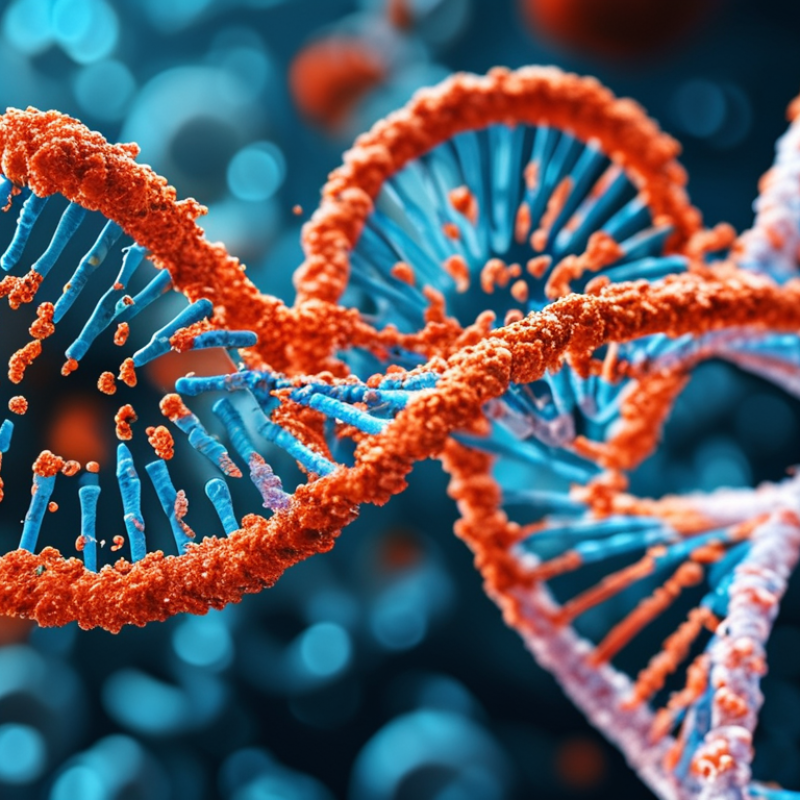
In the realm of biotechnology, DNA purification methods play a crucial role. They enable researchers to isolate and analyze DNA with precision. Various techniques are available, each with its own advantages and disadvantages. For instance, phenol-chloroform extraction is a traditional method that yields high-purity DNA. However, it involves hazardous chemicals and requires careful handling.
Another common approach is silica-based purification. This method uses a silica membrane to bind DNA, allowing impurities to be washed away. It is efficient and often yields high-quality results. Yet, the cost of reagents and equipment can be a barrier for some labs.
Commercial kits offer convenience and standardized protocols but might lack flexibility for specific samples. Some users report variability in yields, indicating a need for adjustments based on sample types. Researchers often need to consider these nuances when selecting a method, reflecting the importance of tailored solutions in biotechnology applications.
| Method | Description | Advantages | Disadvantages | Applications |
|---|---|---|---|---|
| Phenol-Chloroform Extraction | A liquid-liquid extraction method using organic solvents. | High yield and purity. | Hazardous chemicals and labor-intensive. | Molecular cloning, PCR, sequencing. |
| Silica Column-Based Methods | Use of silica membranes to bind DNA in the presence of a chaotropic salt. | Quick and easy to perform. | Potential for column clogging. | Routine cloning and sequencing tasks. |
| Magnetic Bead-Based Extraction | Utilizes magnetic beads coated with DNA-binding agents. | High efficiency and automation potential. | Requires additional equipment for magnetic separation. | Next-generation sequencing, diagnostics. |
| CTAB Method | Uses CTAB to precipitate DNA from plant cells. | Effective for tough plant samples. | Time-consuming cell lysis step. | Plant genomic studies. |
| Alkaline Lysis Method | Uses alkaline conditions to lyse the cells and denature proteins. | Simple and cost-effective. | DNA can be degraded if not handled properly. | Plasmid DNA extraction. |
| Anionic Detergent Extraction | Uses detergents to disrupt cell membranes and release DNA. | Gentle on DNA molecules. | Can be expensive depending on the detergent used. | Cell lysate preparation for various analyses. |
| Enzymatic Methods | Utilizes specific enzymes to digest proteins and release DNA. | Minimizes shearing of DNA. | Longer processing time. | High-quality genomic DNA for sequencing. |
| Ultrafiltration | Uses membrane filters to separate DNA from contaminants. | Allows simultaneous concentration and purification. | Membranes may require frequent replacement. | Sample preparation for PCR and sequencing. |
| Liquid Chromatography | Separates DNA based on size and charge. | Highly precise and scalable. | Requires specialized equipment and training. | Purification of low yield samples. |
In recent years, DNA purification methods have rapidly evolved. Scientists and researchers face pressure to choose effective techniques that suit their projects. Each method has its strengths and weaknesses. Understanding these can significantly influence experimental outcomes.
One common approach is spin-column purification. It is relatively simple and effective across many sample types. However, it can lead to low yields. Another technique, magnetic bead purification, offers higher recovery rates but may introduce biases based on the sample. These subtleties necessitate careful consideration.
Furthermore, some methods require extensive optimization. For instance, organic solvent extraction is powerful but time-consuming. It also poses safety risks. Therefore, user experience varies greatly with this method. Molecular biologists must weigh these factors. A deep understanding of the procedures can guide them to optimal choices for specific applications.
Selecting the right DNA purification method is crucial for reliable results in various applications, from research to clinical diagnostics. A step-by-step guide is essential to navigate through the complexities. An industry report highlights that improper purification can lead to a 30% increase in experimental variability. Hence, understanding your specific requirements is fundamental.
Consider the type of sample you are working with. For example, blood, tissue, or soil has unique characteristics affecting the choice of purification technique. It’s also vital to assess the desired purity and yield of DNA. For high yield but moderate purity, a simple extraction kit may suffice. However, a more stringent method might be necessary for sensitive applications like sequencing.
**Tip:** Always review recent publications on DNA extraction methods as techniques are constantly evolving. Evaluate the scalability of the method as well, particularly if you require larger samples.
Choosing a purification method should also reflect on costs versus benefits. High-end techniques may offer superior purity but at a significant price. In contrast, budget-friendly methods could compromise results. Balancing these factors requires careful consideration.
**Tip:** Keep an experimentation log. Document trials and outcomes to refine your approach over time.
When it comes to DNA purification, efficiency is influenced by several key factors. The purity of extracted DNA can directly impact downstream applications like sequencing or cloning. One major factor is the starting material. The quality of tissue or cell samples affects DNA yield and purity. Fresh samples tend to produce better results than degraded ones.
Another important aspect is the choice of extraction method. Different techniques such as silica-based or magnetic bead methods can yield varying amounts of DNA. A study by the Journal of Molecular Biology shows that silica columns have an efficiency rate of over 90% for certain samples. But this may not always be consistent across different sample types. Researchers must evaluate which method best suits their specific needs.
Tips: Always check the condition of your samples before extraction. Degraded samples often result in lower yields. Additionally, consider using a DNA cleanup step after extraction. This can help eliminate impurities that might interfere with your experiments. Sometimes, the pursuit of perfection in your protocols can lead to overlooking fundamental mistakes. Regular evaluation of your methods is essential for consistent performance.
DNA purification technologies are rapidly evolving. Recent studies indicate a significant trend toward automation in laboratory procedures. Automation can enhance throughput and reduce human error. According to a report by Research and Markets, the global DNA purification market is projected to reach $4.9 billion by 2027, showcasing a CAGR of 8.2%.
Emerging methods, such as magnetic bead-based purification, are becoming more popular. These techniques improve recovery rates and purity levels. The demand for high-quality DNA is crucial in fields like genomics and personalized medicine. Furthermore, miniaturized techniques are gaining traction. They promise faster results with less reagent consumption.
However, challenges remain. Many labs still use outdated methods that lack efficiency. Researchers face pressure to adopt new technologies while managing costs. The evolution of DNA purification is exciting, yet it invites questions about accessibility. Not every lab can afford advanced technologies. Continuous innovation may leave some facilities behind. Addressing these gaps is essential for ensuring equitable access to cutting-edge DNA purification solutions.