
Menü öffnen Menü schließen

7 Tips for Choosing Viscose Machinery Suppliers

Choosing a Viscose Machinery supplier is a production decision, not just a purchasing exercise. The right equipment must handle the realities of your process: steady feed rates, controlled temperatures, clean pipework, and reliable spare-parts support. Small details matter. A poorly matched pump or filtration unit can disrupt an entire production line.

Textile Exchange’s Materials Market Report 2024 estimates that global man-made cellulosic fiber production reached about 7.3 million tonnes in 2023. That scale makes dependable machinery, efficient operation, and consistent product quality important considerations for manufacturers. The report provides useful market context, but it does not replace supplier-specific evidence. Request references from comparable plants, review maintenance requirements, and check performance claims against documented operating data.

A practical reminder for buyers: “A machine’s value is proven on the production floor, not in the brochure.” No verifiable source or named Viscose Machinery specialist was provided for this quotation, so it should be treated as general editorial guidance, not an attributed expert statement. The seven tips that follow focus on measurable criteria: process experience, engineering capabilities, customization, quality controls, service response, total operating costs, and customer references. Ask direct questions. Verify the answers. A careful comparison can reveal gaps that a polished sales presentation may miss.
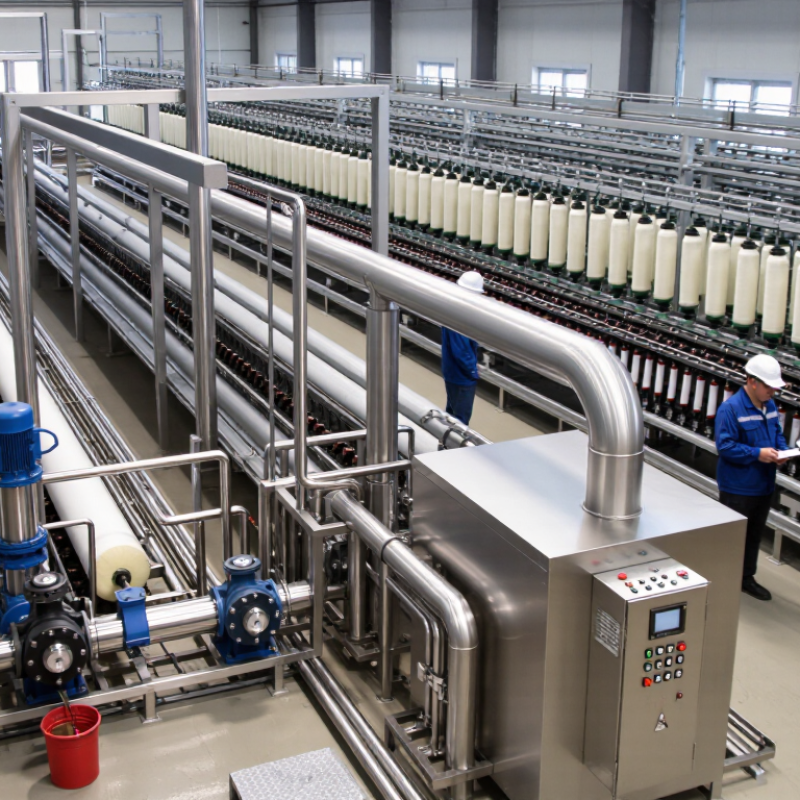
7 Tips for Choosing Viscose Machinery Suppliers

Define Your Viscose Production Needs and Capacity

Before comparing viscose machinery suppliers, define the product, output target, and operating schedule. Will the line make staple fiber or filament yarn? Specify the required denier, cut length, and quality range.

Textile Exchange’s Materials Market Report 2024 estimates that global fiber production reached 124 million tonnes in 2023, including about 7.9 million tonnes of man-made cellulosic fibers. This market figure gives useful context, but it cannot determine the right capacity for your factory.

Start with saleable output, not the machine’s headline capacity. Estimate annual demand, planned shifts, maintenance downtime, and expected process losses. Then ask suppliers to show how their proposed line handles your target throughput, from dope preparation and spinning to washing, drying, and winding.

Check practical details: floor space, steam and power demand, water use, and room for safe maintenance access.

Small details matter. A line rated for high output may still be a poor fit if its utilities exceed your site’s limits.

Compare capacity assumptions in writing, and ask which operating conditions support each estimate. Early figures are imperfect; revise them when trials or site measurements reveal gaps.

Assess Supplier Experience and Technical Expertise

Choosing a viscose machinery supplier starts with evidence, not polished brochures. Ask how many comparable production lines the team has installed and commissioned. Request references from facilities with similar capacity, feedstock, and product requirements. Specific experience matters.

Technical expertise should cover the whole process, from solution preparation and filtration to spinning, washing, and drying. Ask engineers to explain how equipment settings affect fiber quality, energy use, and production stability. Clear answers are a good sign. Vague promises are not. Check whether the supplier can provide process drawings, operating data, and documented maintenance schedules. These details help you judge whether proposed equipment fits your plant, rather than merely matching a sales specification.

Talk directly with the engineers who will support installation and commissioning. Ask how they diagnose uneven filament formation, pressure changes, or unexpected downtime. Their response should be practical and based on measurable checks. Request examples, not just assurances. Experience can still be uneven; one successful project does not prove every design will suit your conditions. I would also verify service response times and spare-parts availability in writing, since delays can disrupt production. Pay attention to how carefully the supplier asks about your existing utilities and operating limits.

7 Tips for Choosing Viscose Machinery Suppliers: Assess Experience and Technical Expertise

Suggested evaluation weights for comparing suppliers. These are planning guidelines, not results from a supplier survey.

How to use it: Give particular attention to relevant project experience and technical expertise. Verify claims through comparable installations, engineering documentation, references, and after-sales support details.

Compare Machinery Quality, Efficiency, and Compliance

7 Tips for Choosing Viscose Machinery Suppliers

Global fiber production reached 124 million tonnes in 2023, according to Textile Exchange’s Materials Market Report 2024. For viscose producers, that scale makes reliable equipment and steady output important. Compare suppliers using measurable figures: production capacity, fiber consistency, energy use per tonne, and downtime records. Ask to see operating data from a comparable line, not only a polished demonstration. Small details matter, like whether filters are easy to inspect during a shift.

Tip 1: Request a clear equipment specification and verify key figures against customer references.

Tip 2: Compare steam, water, and electricity consumption per tonne. The International Energy Agency reported that industry used about 37% of global final energy in 2022. That is a broad sector figure, not a viscose benchmark, but it shows why efficiency deserves close scrutiny. A low purchase price may hide higher operating costs.

Tip 3: Check how the supplier documents emissions control, chemical recovery, wastewater treatment, and routine maintenance. Request monitoring records and an explanation of how equipment supports applicable site requirements. Compare service response times and spare-parts availability, too. A certificate alone may not tell the whole story; the supporting data can be uneven, so verify it. Ask for commissioning results and a practical operator-training plan before signing.

Review Customization, Installation, and After-Sales Support

Customization should start with the material, not a catalogue of machine options. Share the expected fiber properties, daily output, and process conditions with each supplier. Ask which parts can be adjusted, such as roller spacing, bath circulation, or control settings. Request a written specification and layout drawing before approving production. Small details matter. Confirm that the proposed line fits your available power, water, and floor space.

Installation planning deserves the same attention as machine design. Check foundation dimensions, delivery access, ventilation, drainage, and electrical connections before equipment arrives. Ask who supervises assembly and commissioning, and what your staff must prepare. A practical installation plan should include milestones, required tools, and acceptance checks. A missed utility connection can delay startup for days. Even a good plan may need revision once the site is measured.

After-sales support is easier to judge through specifics than promises. Ask about response times, remote troubleshooting, technician availability, and the parts kept in stock. Confirm that manuals, wiring diagrams, and maintenance schedules arrive in a language your operators understand. Request hands-on training during commissioning, with time for routine cleaning and fault checks. Also speak with existing users, if possible. Their feedback may reveal gaps that a polished proposal leaves out. No supplier can prevent every interruption, so agree on a clear escalation process before signing.

7 Tips for Choosing Viscose Machinery Suppliers - Review Customization, Installation, and After-Sales Support
Tip Evaluation Dimension What to Check Evidence to Request How to Compare Suppliers
1. Define the process and production scope Process coverage and capacity Confirm which process stages are included, the intended product and output, operating hours, and the boundary between supplied equipment and buyer-provided utilities or systems. A process flow diagram, equipment list, stated design capacity, and a written list of inclusions and exclusions. Compare proposals on the same process scope and capacity basis; distinguish rated capacity from expected operating output.
2. Assess customization capability Layout, product, and site requirements Check whether equipment can be configured for the required product specifications, available floor space, local utilities, material handling, and applicable site constraints. Dimensioned layout drawings, interface specifications, a customization schedule, and a change-control process. Ask for a clear list of standard versus customized components, associated costs, and effects on delivery and maintenance.
3. Verify materials and component specifications Corrosion resistance and maintainability Review wetted-part materials, seals, pumps, instrumentation, and other components against the actual process chemicals, temperatures, and operating conditions. Component and material specifications, maintenance requirements, and documentation for parts exposed to process media. Compare specifications against the buyer’s process conditions rather than relying on broad claims such as “corrosion resistant.”
4. Review safety and environmental provisions Hazard controls and compliance responsibilities Determine how the proposed equipment addresses process hazards, ventilation, containment, guarding, alarms, and interfaces with plant treatment systems. Confirm applicable local requirements with qualified specialists. Risk-assessment documents, safety-system descriptions, operating instructions, and a written statement of compliance scope. Identify which safeguards are included in the equipment package and which depend on plant-wide systems or buyer actions.
5. Plan installation and commissioning Site readiness, schedule, and acceptance Clarify foundation and utility requirements, delivery sequence, installation supervision, commissioning tasks, operator training, and criteria for performance acceptance. A site-readiness checklist, installation schedule, commissioning plan, training plan, and agreed acceptance-test protocol. Compare the supplier’s responsibilities, required buyer resources, schedule assumptions, and remedies for unmet acceptance criteria.
6. Check after-sales support and spare parts Service access and response commitments Ask how technical support is delivered, what service hours are available, how urgent issues are escalated, and how spare parts are identified and supplied. Written service terms, support contact process, recommended spare-parts list, warranty conditions, and any stated response-time commitments. Use contract terms rather than informal assurances to compare support coverage, response commitments, exclusions, and parts availability.
7. Compare lifecycle cost and documentation Total ownership and long-term operation Consider purchase and installation costs alongside energy and utility needs, consumables, routine maintenance, training, spare parts, and expected service life. A clearly scoped commercial proposal, utility consumption estimates with stated assumptions, maintenance schedule, manuals, and recommended spares. Compare costs using the same operating assumptions and confirm that drawings, operating manuals, maintenance instructions, and parts information are included.

Verify References, Total Costs, and Long-Term Reliability

A supplier’s brochure can show polished machinery, but references reveal how it performs after installation. Ask to speak with customers running similar viscose lines, at comparable capacity and operating hours. Find out whether the equipment met its output targets, how often it stopped, and how quickly service teams responded. Check details. A vague reference is less useful than a specific account of a pump failure, spare-part delay, or commissioning problem.

Compare total costs, not only the purchase price. Include shipping, installation, operator training, utilities, routine maintenance, and recommended spare parts. Ask what is excluded from the quotation, and request a written breakdown. A lower upfront figure can become expensive if the filtration system or control equipment requires frequent replacement. Estimates are never perfect; leave room for uncertainty instead of treating projected savings as guaranteed.

Long-term reliability depends on practical support as much as machine design. Ask how spare parts are stocked, what response time the supplier can commit to, and whether technicians can diagnose faults remotely. Request maintenance schedules and service records for comparable equipment. During a site visit, look for clean access around pumps, clear safety labels, and parts that can be inspected without dismantling half the line. I would not judge reliability from one visit alone; even a tidy factory floor can hide weak follow-up.