Top Tips for Choosing the Best Linear Quilting Machine?
Choosing the right Linear Quilting Machine can feel overwhelming. Many options claim to offer the best features, but how do you decide? With advances in technology, several machines stand out in performance and ease of use. It's crucial to consider your specific needs before making a decision.
The best Linear Quilting Machine should match your sewing skills and project types. Do you prefer a machine with simple controls or one with advanced features? Think about your budget as well. Machines can vary widely in price. Sometimes, the most expensive option isn't the best fit for your needs.
One aspect often overlooked is the machine's weight and portability. A heavier machine might provide stability, but a lighter model may suit those who need to transport it frequently. Reflect on your quilting space and workflow. Selecting the right machine involves careful thought and personal reflection. You may not find the perfect machine on the first try, but learning from mistakes can guide you towards an ideal choice.
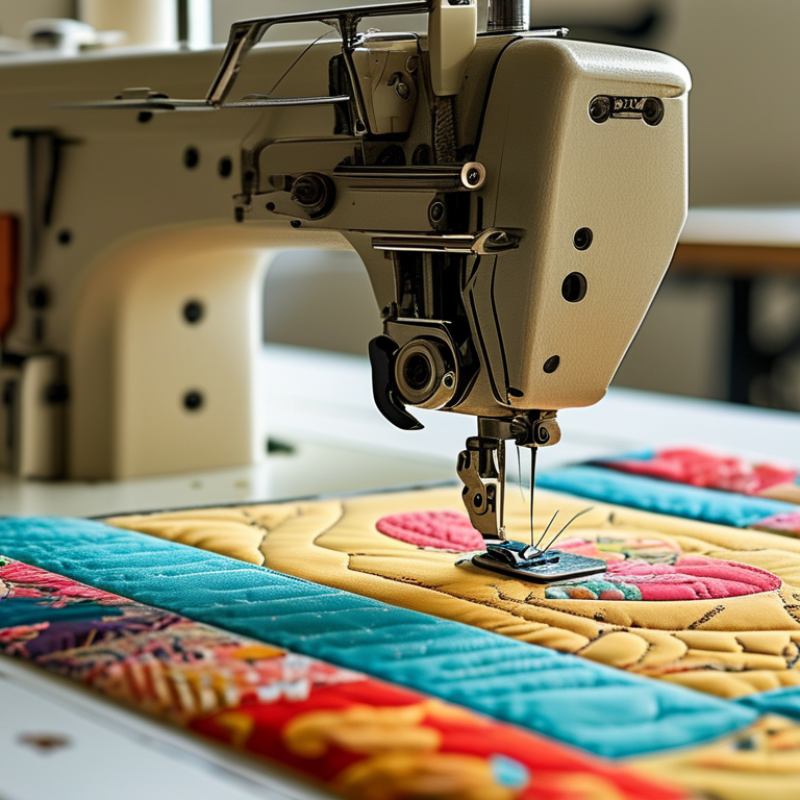
Understanding Linear Quilting Machines and Their Features
When exploring linear quilting machines, it’s essential to understand their core features. These machines stand out for their efficiency and precision. They utilize a straight stitching process, which is ideal for creating intricate quilts. Many users appreciate their ability to produce consistent stitch lengths. Familiarizing yourself with the various types helps in making informed choices.
Look for key features that enhance your quilting experience. Adjustable speed is vital for control. It allows you to quilt at a pace that suits your style. A larger throat space can accommodate bigger projects. This is often a game changer for quilters. Consider whether the machine offers automatic thread cutting. This feature saves time and simplifies the quilting process.
Not all machines are perfect, and personal preferences vary. Some users find certain models hard to thread. Others struggle with the learning curve. It’s worth investing time to explore different options. Reviewing user feedback can provide valuable insights. Each machine has its quirks and strengths. Understanding these nuances can lead to better quilting outcomes.
Key Factors to Consider When Choosing a Linear Quilting Machine
When selecting a linear quilting machine, there are several critical factors to keep in mind. Consider the throat space. A larger throat allows you to handle bigger projects with ease. An adequate throat size facilitates maneuvering your fabric smoothly. You'll find that a cramped work area can hinder creativity and lead to frustration.
Look at the machine's stitch length options. Consistent stitch length greatly affects the overall quality of your quilting. Variable stitch lengths provide flexibility for different quilting styles. However, machines offering too many settings can be daunting. It's essential to balance complexity with usability.
Another important aspect to review is the ease of use. Machines should have intuitive controls and clear instructions. A complicated interface may cause confusion, especially for beginners. Moreover, pay attention to maintenance requirements. Some machines may demand frequent servicing, impacting your overall experience. Reflect on how often you will quilt. Don't overlook these details; they can make or break your quilting journey.
Comparing Different Brands and Models of Quilting Machines
When choosing the right linear quilting machine, it's essential to compare different brands and models carefully. Industry reports indicate that about 70% of quilters prioritize durability and stitch quality over features. A machine’s ability to handle various fabrics can be a game changer. Many quilters find adaptability crucial.
Some models offer advanced features, such as automatic tension adjustment or built-in stitch patterns. However, simplicity might perform better for beginners. Data suggests that 65% of novice quilters feel overwhelmed by complex functions. Understanding the balance between features and user-friendliness is important for an effective choice.
When exploring options, consider the after-sales support and warranty. A solid warranty indicates manufacturer confidence. Close to 50% of quilters report needing technical help after purchase. It's crucial that a machine not only meets your immediate needs but remains reliable in the long term. Research customer reviews as they often highlight both strengths and potential weaknesses in products.
Top Tips for Choosing the Best Linear Quilting Machine
Assessing Your Budget and Value for Money in Quilting Machines
When choosing a linear quilting machine, understanding your budget and assessing value for money are crucial. Begin by determining how much you can comfortably spend. Setting a clear budget helps narrow your options. A more expensive machine might seem better, but that isn't always true. Sometimes, mid-range models offer excellent features for hobbyists and professionals alike.
Consider the features that matter most to you. Does the machine provide the stitch quality you need? How about speed and ease of use? A machine with unnecessary features can lead to wasted funds. Research is essential. Read reviews from fellow quilters to see which models have proven reliable.
It's also wise to think about the long-term investment. A cheaper machine may save money initially but could come with hidden costs. Frequent repairs or upgrades can quickly add up. Sometimes, it's worth investing a little more upfront for a reliable model. This approach will pay off in the long run. Don't overlook the importance of warranties and support services as they add value too.
Tips for Maintenance and Care of Your Linear Quilting Machine
Maintaining your linear quilting machine is crucial for optimal performance. Regular care can extend its lifespan and ensure precision in stitching. A study by the Sewing Machine Manufacturers Association indicates that machines well-maintained have a 20% longer life cycle. Simple practices, like cleaning and oiling, take just minutes but make a big difference.
Tips for care include regularly cleaning the bobbin area. Remove lint after every few projects. This prevents thread jams and damage. Also, check the tension settings frequently. Improper tension can lead to uneven stitches. A consistent routine can greatly enhance your machine's reliability.
Another essential tip is to store your machine correctly. Dust and moisture can cause long-term damage. Cover your machine when not in use and keep it in a dry area. Lastly, don’t overlook the importance of professional servicing. Even the best machines need expert care occasionally. A study from Craft Industry Alliance shows that 75% of seasoned quilters value professional maintenance. Regular inspections can prevent minor issues from becoming major repairs.