10 Essential Tips for the Aeration Process in Wastewater Treatment?
The Aeration Process In Wastewater Treatment is crucial for effective biological treatment. According to Dr. Samuel Plummer, an expert in environmental engineering, "Optimizing the aeration process enhances microbial activity and improves treatment efficiency." This highlights the importance of aeration in maintaining quality standards in wastewater management.
Aeration involves introducing air into wastewater to promote the growth of microorganisms. These microorganisms break down organic matter, playing a vital role in purification. However, achieving the perfect balance in aeration is not always straightforward. Over-aeration can lead to energy waste, while under-aeration may cause ineffective treatment.
Understanding the nuances of the aeration process in wastewater treatment is essential. Factors like design, equipment, and operational practices can significantly impact outcomes. A thorough analysis reveals that many facilities struggle with these variables. Continuous improvement and adaptation are key to successfully harnessing the aeration process, paving the way for enhanced wastewater treatment practices.
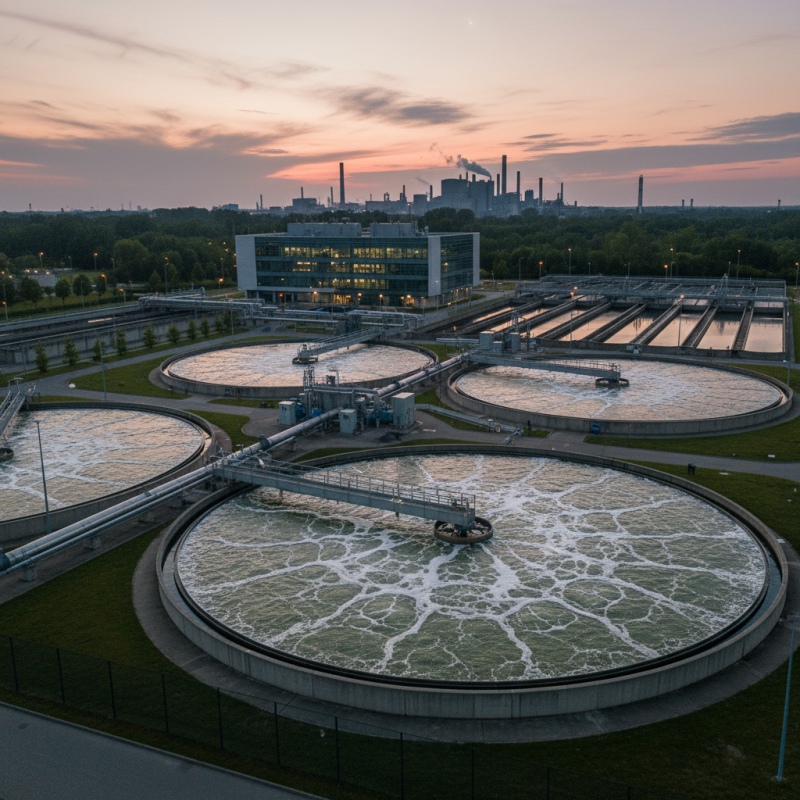
Understanding the Importance of Aeration in Wastewater Treatment
Aeration plays a crucial role in wastewater treatment. It helps to introduce oxygen into the water, which is vital for aerobic microorganisms. These beneficial bacteria break down organic pollutants effectively. When aeration is done correctly, it can significantly improve the efficiency of the treatment process.
Inadequate aeration may lead to insufficient oxygen levels, hindering the microbial activity. This could cause odor issues and slow down pollutant removal. Each wastewater treatment facility has unique requirements. Monitoring dissolved oxygen levels is essential to avoid common pitfalls in the aeration process.
The design of aeration systems can vary widely. Factors like the type of wastewater and the volume processed influence aeration design. Regular maintenance is needed to ensure proper function. However, many facilities overlook this aspect, leading to operational inefficiencies. Careful attention to the aeration process can yield beneficial results for both the environment and the facility's performance.
Types of Aeration Methods Used in Wastewater Treatment Systems
Aeration is a critical step in wastewater treatment. Various methods help enhance oxygen transfer efficiency, ensuring effective microbial activity. Among these, surface aerators and diffused aeration systems are prominent.
Surface aerators operate by agitating the water surface. This method promotes gas exchange but may experience a loss of oxygen due to evaporation. According to research, surface aerators typically achieve 1.0 to 2.0 kg O2 per kWh of energy consumed. However, they can be less efficient in larger treatment plants.
Conversely, diffused aeration involves introducing air through submerged pipes. This technique can reach 3.0 to 6.0 kg O2 per kWh. Yet, it requires proper maintenance to prevent clogging of the diffusers. Some reports suggest that up to 30% of aeration inefficiencies stem from poor maintenance practices. Regular inspections and timely repairs are crucial to maintaining optimal efficiency.
Choosing the right aeration method is vital. It depends on several factors, including treatment plant size and type of wastewater. Each method has its advantages and limitations, which must be weighed carefully. Understanding these factors can lead to improved operational effectiveness.
Key Factors Affecting the Aeration Process Efficiency
Aeration is crucial in wastewater treatment. Several factors can influence its efficiency. One key factor is oxygen transfer. The transfer rate can vary based on water temperature and the type of aeration system used. For instance, warm water holds less oxygen. This means operators must adjust aeration strategies depending on seasonal changes.
Another significant factor is the mixing intensity. Proper mixing ensures that oxygen reaches all parts of the tank. Poor mixing can lead to dead zones where wastewater stagnates. This stagnation reduces the overall treatment effectiveness and can lead to odors. Operators should consider using different aeration techniques to enhance mixing.
Monitoring the aeration system regularly is essential. Maintenance prevents breakdowns that could lead to decreased efficiency. Operators should also keep an eye on biological activity in the tank. If microbial populations drop, it may indicate a problem with the aeration process. Continuous assessment is necessary to ensure everything operates smoothly.
Monitoring and Measuring Aeration Performance in Treatment Plants
In the realm of wastewater treatment, monitoring aeration performance is crucial. Effective aeration directly impacts oxygen transfer efficiency and biological treatment effectiveness. Studies suggest that optimizing aeration can improve treatment efficiency by up to 30%. Yet, many treatment plants struggle to fine-tune their aeration systems.
Regular measurement of dissolved oxygen (DO) levels is essential. Many facilities use automated DO sensors to maintain optimal concentrations. These sensors help operators detect fluctuations quickly. However, reliance on technology can lead to complacency. Visual inspections and manual checks help verify sensor accuracy. This dual approach ensures a reliable monitoring process.
Aeration system performance can also hinge on factors like temperature and water quality. Variability in these parameters can affect oxygen transfer rates. For instance, colder temperatures can reduce oxygen solubility, hindering the aeration process. Operators must understand these dynamics to maintain efficiency. Continuous training and knowledge sharing within teams can address these challenges. Adopting a comprehensive monitoring strategy fosters a responsive and resilient treatment environment.
Common Challenges and Solutions in the Aeration Process
The aeration process in wastewater treatment is crucial but often presents various challenges. One common issue is insufficient oxygen transfer rates. According to a study by the Water Environment Federation, up to 50% of treatment plants struggle with this problem. Low oxygen levels can hinder the growth of bacteria essential for breaking down organic matter. It's vital for operators to monitor dissolved oxygen levels closely, making adjustments as necessary.
Another challenge lies in foaming, which can negatively impact aeration efficiency. Foaming is often triggered by high organic loading or the presence of surfactants. A report by the EPA highlights that nearly 30% of facilities deal with this issue regularly. Implementing anti-foaming agents may help, but understanding the root cause is still essential. Operators must analyze influent composition to mitigate foaming issues effectively.
Maintaining equipment is indispensable for overcoming these challenges. Aerators should be inspected regularly to ensure optimal performance. A failure can lead to increased operating costs and treatment inefficiencies. Reports indicate that poor maintenance can result in a 20% decrease in system performance. Continuous training and awareness about these challenges can empower staff to better respond. Regular troubleshooting can enhance the overall effectiveness of the aeration process.