How to Choose the Right Transformer Substation for Your Needs?
Choosing the right Transformer Substation is crucial for efficient energy distribution. The right choice can optimize operations and reduce costs. A transformer substation converts voltage levels for safe electricity transmission. Each project has unique requirements, making it essential to consider various factors.
First, assess your energy needs. What is the total load? Understanding this helps in determining the right transformer capacity. Consider location and environmental conditions. Urban areas may have stricter regulations. Rural settings might offer more flexibility, but logistics can be a challenge.
Lastly, consult with experts. Their experience can guide you through technical specifications. Stay informed about evolving technologies in transformer substations. Every choice holds implications for reliability and maintenance. Reflect on your priorities. What is most important: efficiency, cost, or reliability? Clear answers can lead to better decision-making.
Understanding the Basics of Transformer Substations and Their Types
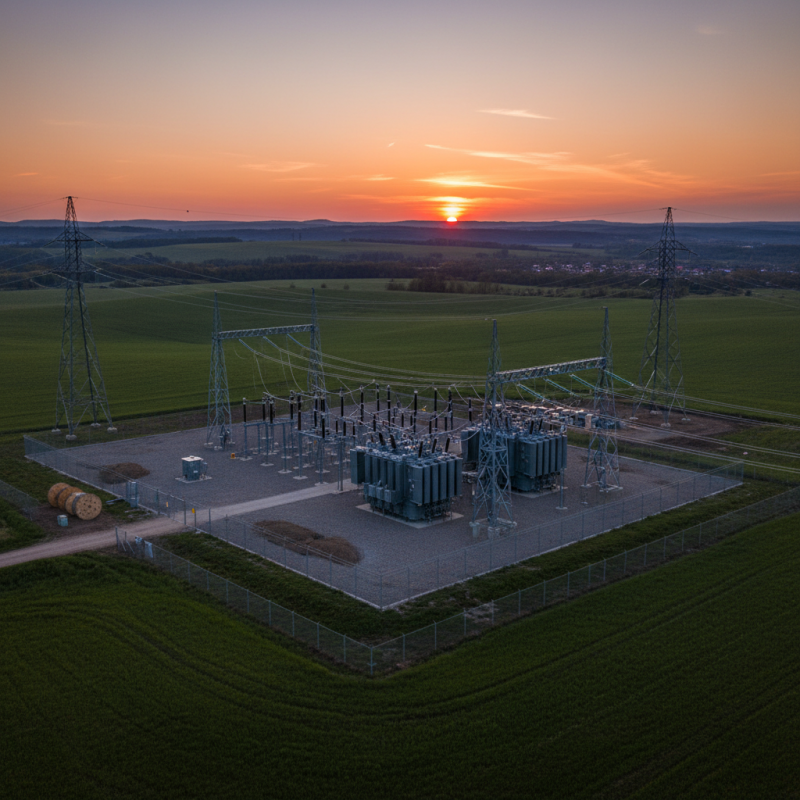
Transformer substations play a critical role in electrical distribution systems. They facilitate voltage transformation to ensure efficient power delivery. Understanding their basics is essential for anyone involved in energy management.
There are various types of transformer substations, each suited to different needs. For instance, a step-down substation reduces high transmission voltage for safe distribution. Conversely, a step-up substation increases voltage for long-distance transmission. Additionally, mobile substations provide temporary solutions during emergencies or maintenance, emphasizing adaptability in energy infrastructure.
Selecting the right substation requires careful consideration. Assessing capacity, location, and load requirements is crucial. However, many overlook maintenance aspects. Neglecting upkeep can lead to inefficiencies or failures. Understanding the subtleties of each type can better align your choices with real-world applications. Experience is essential; learning from past installations often reveals critical insights not found in textbooks.
How to Choose the Right Transformer Substation for Your Needs?
| Type of Transformer Substation | Power Rating (MVA) | Application | Typical Voltage Level (kV) |
| Outdoor Substation | 5 - 100 | Industrial and Utility Applications | 11 - 33 |
| Indoor Substation | 1 - 50 | Commercial Buildings, Distribution | 0.4 - 11 |
| Mobile Substation | 1 - 20 | Temporary Power Supply | 0.4 - 15 |
| Compact Substation | 0.5 - 15 | Urban Areas, Space-Constrained Applications | 11 - 33 |
| Distribution Substation | 10 - 100 | Power Distribution | 11 - 33 |
Identifying Your Power Supply Requirements and Load Specifications
Choosing the right transformer substation begins with understanding your power supply requirements. Know the specific voltages and phases needed for your operations. Different industries have varying energy needs, which directly affect your choice of substation. Consider the peak load requirements as well. Analyzing your load specifications helps ensure that the substation can handle fluctuations without failure.
Tips: Measure your maximum power demand carefully. Underestimating can lead to inadequate power supply. Evaluate historical data for seasonal changes in load as well. This can prevent future capacity issues.
Additionally, assess your site’s physical characteristics. Space constraints, terrain, and environmental factors are crucial. They can influence substation design and installation. Always account for future expansion when planning. Your needs may evolve, and flexibility can save resources later.
Tips: Involve professionals early in the planning stage. Their expertise can illuminate potential challenges. Collaboration can result in better decisions and a more efficient process.
Evaluating Location and Space Constraints for Substation Installation
When evaluating location and space for installing a transformer substation, careful consideration is essential. Factors like access, safety, and environmental impact should be prioritized. Recent reports from the International Energy Agency show that inadequate space can lead to operational inefficiencies, impacting supply reliability by up to 15%. Therefore, conducting a thorough site assessment is crucial.
When selecting a location, consider proximity to existing infrastructure. This reduces installation costs and minimizes disruptions. Additionally, evaluate zoning regulations, as these can restrict where substations can be built. Make sure the site can accommodate future expansions. A report by the Electric Power Research Institute indicates that over 30% of substations face limitations due to unforeseen spatial constraints.
Tips: Always engage with local authorities early in the planning process. This might prevent costly delays. Moreover, consider potential noise and visual impacts on the surrounding community. Good neighbor relations can greatly improve acceptance and reduce opposition. Prioritizing these elements can lead to a more effective and efficient substation installation process.
Assessing Safety Standards and Regulatory Compliance for Substations
When selecting a transformer substation, safety standards and regulatory compliance are crucial considerations. Each region has specific regulations that substation designs must meet. These rules ensure that the installation operates safely and efficiently. It’s essential to consult local authorities when starting your project. Understanding these requirements can greatly reduce risks.
Evaluate the safety features of different substations. Some essential aspects include proper grounding, insulation materials, and fire protection measures. Take time to check the certifications of the equipment you plan to use. Ensuring compliance starts with having a solid grasp of local codes and guidelines. Sometimes, even experienced professionals overlook minor details, leading to potential hazards.
Documentation is another key factor. Complete records are essential for inspections and audits. Regular maintenance checks help ensure ongoing compliance. It’s easy to think that a one-time assessment is enough, but the industry is always evolving. Ongoing education and vigilance can prevent costly mistakes. Engaging with experts can guide you through this complex landscape.
Selecting the Right Equipment and Technology for Optimal Performance
Choosing the right transformer substation involves understanding various equipment and technologies for optimal performance. The decision-making process must consider capacity, efficiency, and reliability. According to a report from the International Energy Agency, nearly 30% of global electricity losses occur due to outdated transformers. Upgrading to newer technologies can significantly reduce these losses.
To select the appropriate equipment, one must evaluate the specific energy needs. For example, does the facility face peak loads that require additional capacity? Studies show that substations with advanced control systems can achieve up to 10% better energy efficiency. This improvement highlights the relevance of integrating smart technologies into substation design.
Reflecting on the selection process can lead to valuable insights. A common issue is overestimating the required capacity, which can lead to unnecessary costs and operational inefficiency. Engaging with experienced engineers for detailed assessments can help mitigate these pitfalls. Ultimately, a well-considered approach leads to better alignment with organizational energy requirements and sustainability goals.