How to Choose China Best Slim Frame Aluminum Sliding Doors?
Choosing Slim frame aluminum sliding doors from a Chinese supplier can improve daylight, views, and the feel of a room. But a narrow frame alone does not guarantee a well-made door. The rollers, track, seals, glass, and installation details matter just as much. Small details matter. A sample corner joint or a close-up of the bottom track can reveal more than polished marketing photos.
This guide explains how to compare suppliers using practical questions, not broad promises. Check the frame dimensions and finish options, then confirm which glass types and panel sizes the system supports. Ask how the rollers are adjusted, how water drains from the track, and what maintenance the manufacturer recommends. Request clear product specifications, relevant test documentation, warranty terms, and installation guidance. These records help you judge claims, though they do not replace a review of your project’s requirements. No supplier is perfect. Even a strong product may need adjustments for local climate, opening size, or installer experience.
For a fair comparison, share the same drawings and requirements with each shortlisted manufacturer. Compare the complete quotation, including hardware, packaging, lead time, and after-sales support—not just the frame price. If possible, inspect a working sample and test the sliding action yourself. A smooth movement is encouraging, but it is only one part of the decision. The right choice balances appearance, performance, service, and the conditions of your specific project.
What Defines a Slim-Frame Aluminum Sliding Door?
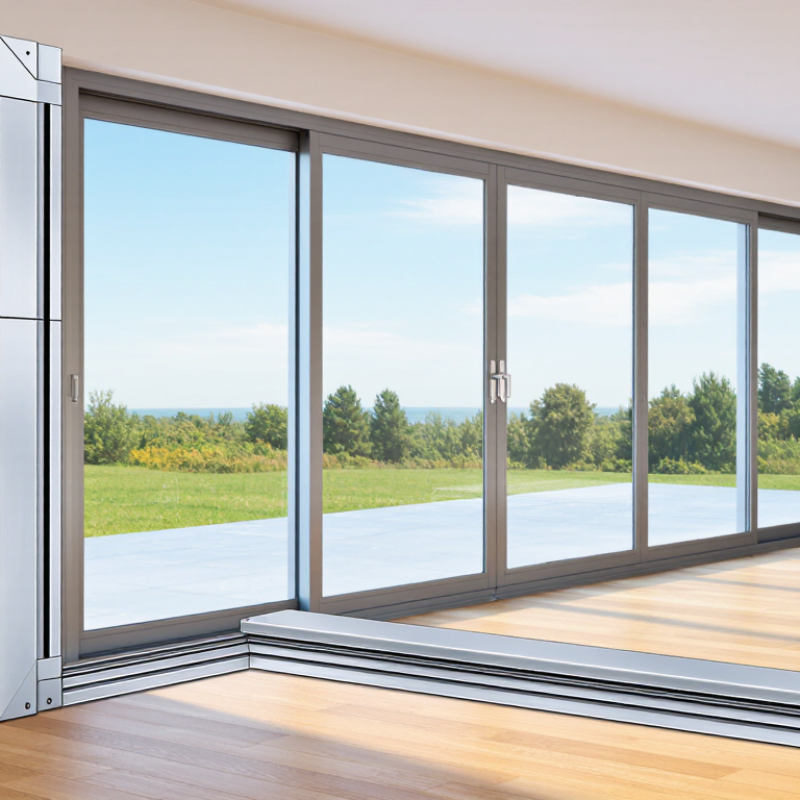
A slim-frame aluminum sliding door is defined by the narrow visible frame around its glass, not by one universal measurement. “Slim” has no single industry-wide cutoff. Check the sightline—the frame width visible from inside—and the meeting stile where two panels close. That matters.
A narrow profile can bring more daylight and leave a cleaner view of the garden. But thinner is not automatically better. The frame must support the glass, while rollers, locks, and weather seals must still work smoothly. Look for a thermal break, a non-metal layer separating the interior and exterior aluminum, and examine how the panel feels when it slides. A stiff handle or uneven gap deserves a closer look.
Glass and sealing affect comfort, too. The U.S. Department of Energy’s Energy Saver guidance estimates that windows account for 25–30% of residential heating and cooling energy use; this figure is not a sliding-door rating, but it shows why glazed openings matter. Ask for whole-product U-factor and solar heat gain coefficient (SHGC) values, rather than relying on glass claims alone. The National Fenestration Rating Council provides standardized product ratings for these measures. Compare rated performance with your climate and orientation; a slim appearance cannot make up for poor seals.
Which Design and Performance Requirements Matter Most?
Start with the opening, not the catalog photograph. Measure its width, height, floor level, and wall tolerances on site. A slim frame creates a clean view, but narrow profiles must still suit the panel size and local wind exposure. Ask for the tested maximum sash dimensions and glass thickness, not just a drawing. A sample corner can reveal finish quality and how neatly the frame joins. Small details matter.
For comfort, check whether the aluminum frame uses a thermal break and whether the glazing suits your climate. In hot, sunny rooms, solar-control glass may reduce heat gain; in colder areas, insulated glazing can limit drafts and condensation. Request documented air, water, and wind-pressure test results for the proposed configuration. Ratings from a different size or glass build may not tell the whole story.
Sliding performance depends on hardware and installation as much as appearance. Look for load-rated rollers, adjustable locking points, accessible drainage paths, and replaceable seals. Ask how the track handles dust and water, especially near patios or coastal sites. I would not assume “smooth operation” in a brochure guarantees easy use after years of grit. Confirm delivery protection, installation tolerances, and spare-hardware availability with the supplier. A site mock-up can expose awkward handle reach or a raised track before the full order arrives.
How to Choose China’s Best Slim-Frame Aluminum Sliding Doors
Which design and performance requirements matter most?
The chart shows illustrative selection priorities, not laboratory test results. Compare certified thermal, air, water and wind performance for the specific door size and local climate; slimmer frames should not come at the expense of structural strength, weather sealing or safe operation.
How to Compare Frames, Glass, Hardware, and Thermal Options
How to Choose China Best Slim Frame Aluminum Sliding Doors?
A slim frame creates a cleaner view, but narrow profiles still need enough strength for the panel size and local wind exposure. Compare frame depth, aluminum wall thickness, corner joints, and stated load capacity—not appearance alone. Ask for a section drawing and confirm the opening dimensions before comparing quotations. Small details matter.
Tips: Check a sample. Slide it several times. Listen for scraping, and inspect whether the panel stays aligned.
Glass and hardware affect daily comfort and use. Ask whether the glass is tempered or laminated, how thick each pane is, and whether the spacer and seals suit your climate. For thermal performance, compare the stated U-factor and solar heat gain coefficient under the same test method. A thermal break can reduce heat transfer, but installation gaps may still cause drafts or condensation. Check roller material, adjustment range, locks, drainage paths, and replacement access. One specification sheet rarely tells the whole story; request test documentation and clarify what is included in the quoted configuration.
How to Evaluate Chinese Manufacturers and Product Certifications
When evaluating Chinese manufacturers of slim frame aluminum sliding doors, look beyond polished catalog photos. Ask for the factory’s legal business details, production address, and a live video walkthrough. Check whether it makes the frames itself or outsources key steps, such as coating and assembly. Ask to see recent quality records for frame dimensions, surface finish, and track alignment. Small details matter. A two-millimeter mismatch can affect installation.
Review certificates carefully. Confirm the issuing organization, validity dates, tested product range, and applicable standards. A certificate for one profile or glass configuration may not cover the complete door system you plan to buy. Request the full test report, not only a logo or summary page. Where possible, verify it directly with the issuer or testing laboratory. Requirements vary by destination market, so ask a qualified local professional which documents apply to your project.
Request a production sample and inspect its corners, coating, rollers, and locking points under normal light. Compare it with the approved drawings. Ask how the manufacturer handles damaged shipments, replacement parts, and warranty claims in writing. A sample can look excellent while a large order varies. That risk is easy to overlook. I would also ask for references from recent projects, though references alone are not proof of consistent quality. A slow, specific answer can be more useful than a fast promise.
How to Check Quotes, Installation, and After-Sales Support
A quote for slim-frame aluminum sliding doors should describe more than the price per opening. Check the frame dimensions, aluminum thickness, glass type, hardware, finish, screens, and delivery terms. Ask whether the quote includes site measurement and installation, or only the door units. “Complete package” can mean different things. Get every inclusion in writing.
Compare like with like. A lower quote may use different glass, rollers, or locking hardware, so ask for itemized specifications before deciding. Check whether taxes, access equipment, removal of old doors, and sealing materials are included. One detail buyers sometimes miss is the threshold: its height and drainage design affect both access and weather protection. I would not judge value by the frame appearance alone.
Installation quality matters as much as the product. Confirm who takes final measurements, how the opening will be checked for level and square, and how gaps will be sealed. Ask for a written schedule and a clear process if site conditions differ from the drawings. Keep it documented. For after-sales support, review the warranty period, covered components, exclusions, and contact route. Ask how service requests are handled and whether replacement rollers or other parts can be supplied later. Even a careful checklist cannot predict every site issue; that is why clear responsibilities matter.