How to Choose the Best 3 Axis CNC Milling Machine?
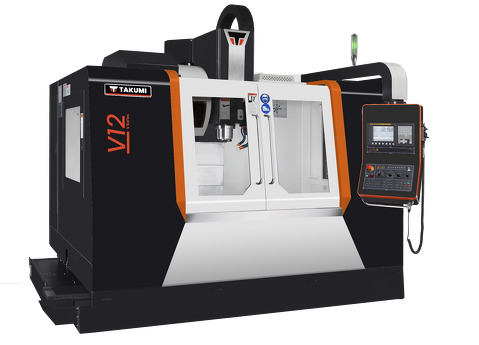
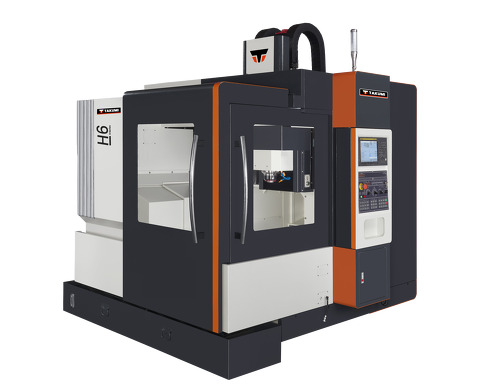
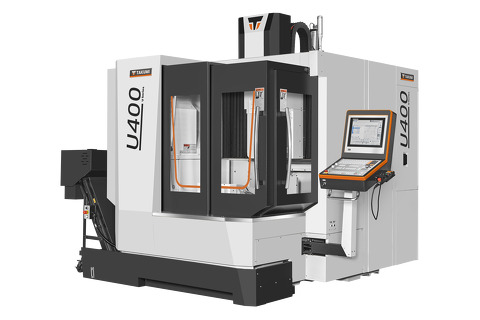
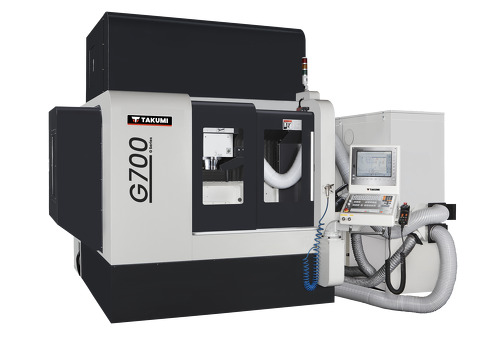
Choosing the right 3 axis CNC milling machine is crucial for optimizing production efficiency. Expert John Smith, a renowned figure in the CNC machining industry, emphasizes, “Precision in selection leads to remarkable results.” This highlights the importance of selecting a machine that meets specific operational needs.
A quality 3 axis CNC milling machine not only enhances manufacturing capabilities but also ensures consistent output. When choosing, consider factors like build quality, software compatibility, and customer support. These elements can greatly impact the machine's performance and longevity. Sometimes, manufacturers overlook these details, leading to costly mistakes.
Additionally, assess your workspace and the type of materials you plan to work with. This will influence the size and features of the machine you require. Ignoring these aspects may result in a mismatch between your needs and the machine's capabilities. Knowledgeable choices can make all the difference in achieving optimal results.
Understanding the Basics of 3 Axis CNC Milling Machines
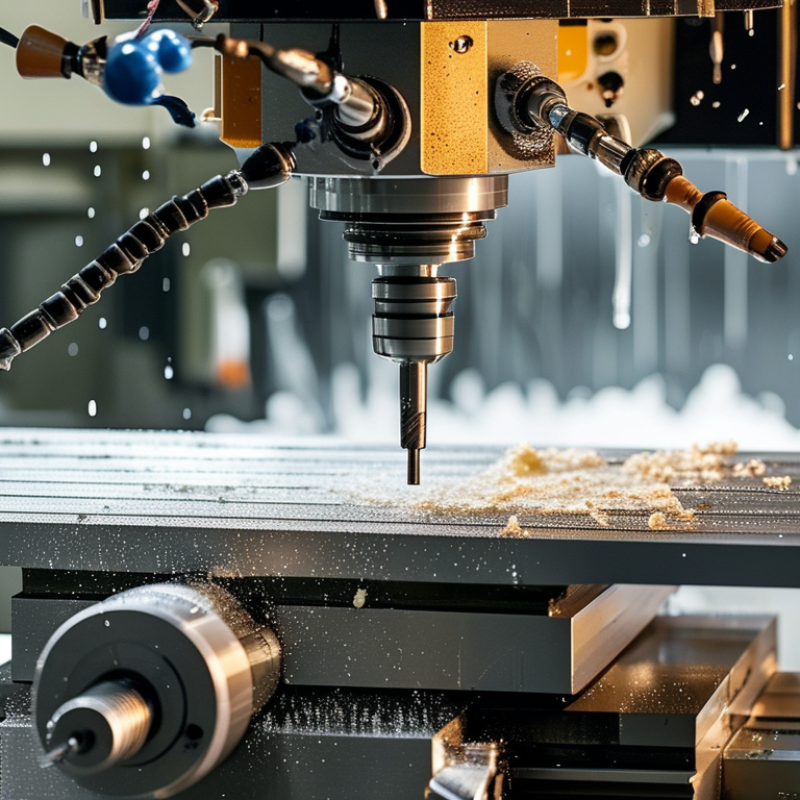
When considering a 3 axis CNC milling machine, understanding the basics is crucial. A 3 axis machine operates along three linear movements: X, Y, and Z axes. This capability allows for the precise carving, drilling, and cutting of materials. In practical terms, it means that it can handle complex designs and intricate detailed work.
However, choosing the right machine is not solely about functionality. The machine's rigidity and build quality play a significant role in its performance. A robust machine minimizes vibrations, which can affect accuracy. Additionally, consider the control software that comes with the machine. Ease of use can significantly impact your workflow. Not all machines offer friendly interfaces. Assessing the learning curve is essential for productivity, especially for beginners.
While many machines advertise high precision, not all deliver. It's vital to read reviews and real user experiences. Look into the machine's maintenance requirements as well. Regular maintenance keeps performance consistent but can be overlooked. Reflecting on your specific needs and limitations can lead to a more informed decision, ultimately enhancing your machining results for projects.
Key Features to Consider When Selecting a CNC Milling Machine
When selecting a 3-axis CNC milling machine, several key features come into play. The machine's rigidity and stability are crucial for achieving precise cuts. A solid frame reduces vibration, enhancing accuracy. Pay attention to spindle speed and power, as these determine how quickly and effectively the machine can work with various materials. An optimal spindle often means faster production times and better surface finishes.
Another important consideration is the control system. A user-friendly interface can facilitate smoother operation. It is advisable to choose a CNC milling machine that supports advanced software, as this enhances programming capabilities. Additionally, look at the machine’s capacity regarding tool changes. Automatic tool changers can significantly increase efficiency and reduce downtime.
Furthermore, the support and documentation provided by the manufacturer are essential. Comprehensive manuals and responsive customer service can make a significant difference in troubleshooting. Reflection on your specific needs, such as the types of materials you will work with, is vital. Mistakes can happen if all features are not aligned with your goals. Taking time to evaluate these factors can lead to a better investment in your machining processes.
Evaluating Precision and Accuracy in CNC Milling Machines
When evaluating precision and accuracy in CNC milling machines, several factors come into play. Precision refers to the ability of the machine to produce consistent results over time. This means that repeated cuts should yield the same dimensions and characteristics in the material. Factors like machine design, rigidity, and components play a significant role in maintaining this precision.
Accuracy, on the other hand, indicates how closely the output matches the intended design specifications. Ideally, a machine should not only be precise but also capable of achieving high levels of accuracy. Regular calibration and maintenance are essential; even small deviations can impact the final product.
Consider the type of materials you will be working with. Different materials respond uniquely to milling processes. This response can fluctuate based on cutter speed, feed rates, and tooling. It’s vital to choose a machine that can adapt to these variations. Any machine has its limitations. Operators must understand these boundaries. Reflecting on previous projects can help refine your choice. Aim for a milling machine that balances precision and accuracy while fitting your operational needs.
Assessing Software Compatibility and Control Systems
When selecting a three-axis CNC milling machine, software compatibility is crucial. The right software enhances functionality and performance. Look for systems that offer user-friendly interfaces. Complex software can lead to errors, affecting production quality. Compatibility with various file formats is also important. Ensure the machine can work with standard CAD/CAM software.
The control system of a CNC machine significantly influences its operation. A reliable control system should allow for precise movements and easy adjustments. Consider the learning curve associated with the control interface. If it's overly complicated, it may deter operators from using the machine effectively. Additionally, assess the system’s support for real-time monitoring. This feature helps in identifying issues before they escalate.
Many CNC users encounter challenges when their software or control systems malfunction. It’s vital to reflect on how these glitches can impact overall productivity. Reviewing machine performance regularly can provide insights. Users should be open to adapting to new software updates. Continuous learning is key to maximizing the potential of CNC technology.
Budget Considerations and Maintenance for CNC Machinery
When considering a 3-axis CNC milling machine, budget is a crucial factor. Establishing a realistic financial plan is essential. Determine not just the purchasing cost, but also the expenses for setup and operation. You might find that lower upfront costs lead to higher maintenance or operation fees over time. Assessing long-term costs can help avoid unpleasant surprises.
Maintenance plays a significant role in the longevity of CNC machinery. Regular checks of the mechanical components can prevent breakdowns. Lubrication of moving parts is vital and easy to overlook. Neglecting these simple tasks can lead to costly repairs. It's important to create a maintenance schedule that fits your operational needs and machine complexity.
Not every machine will suit every application. Understanding your specific requirements will guide you in making the best choice. Overspending on features you may not need can be wasteful. Conversely, skimping on essential attributes can hinder performance. Balancing these aspects is key to making a wise investment. Consider both the immediate needs and future projects when deciding.
Buying Considerations for 3 Axis CNC Milling Machines