How to Choose the Best Machining Center for Your Needs?
When selecting a Machining Center, many factors come into play. According to John Smith, a renowned expert in the machining industry, "Choosing the right machining center can make or break your production efficiency." This emphasizes the importance of understanding your specific needs.
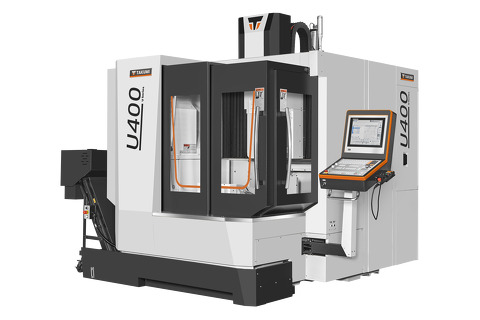
Machining centers are versatile machines that can perform various operations. They bring precision and speed to manufacturing. However, not all machining centers are created equal. Each model offers different features and capabilities. Knowing what to consider can lead to better decisions. For instance, factors like size, speed, and tooling options matter significantly.
Purchasing a machining center is an investment. Many businesses struggle with this choice, often leading to frustration. This choice requires careful evaluation of workflows and production goals. A wrong decision may result in inefficiencies. Therefore, understanding these complexities is crucial for long-term success.
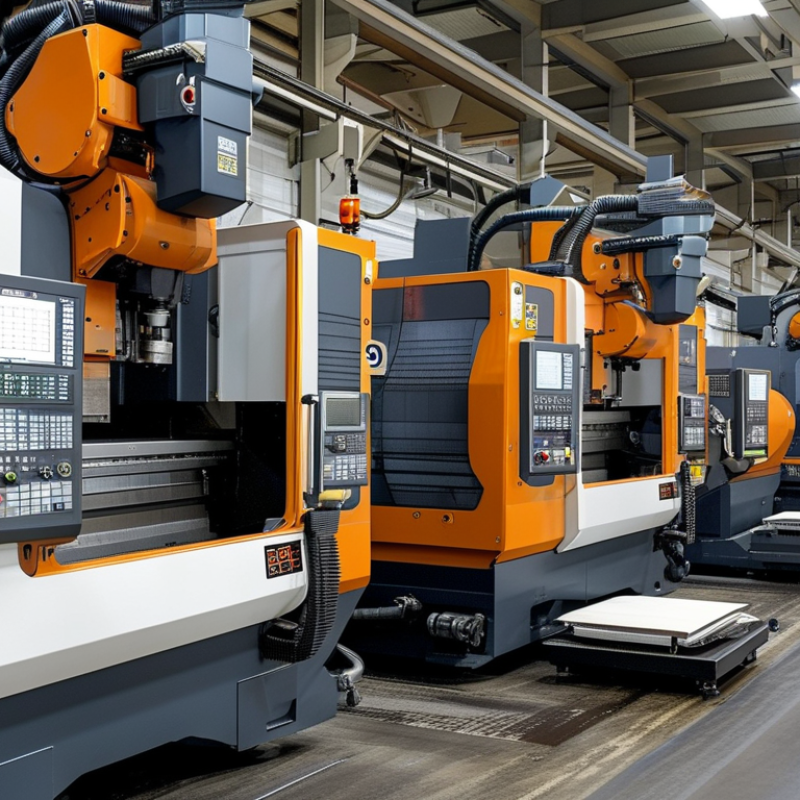
Factors to Consider When Selecting a Machining Center
When selecting a machining center, several factors will influence your decision. Start by considering the type of work you intend to perform. Will you be machining intricate parts or large components? Different centers cater to varied tasks, and understanding this shapes your choice. Look into the size of the worktable. A larger table offers more flexibility, but may come with higher costs. Assessing your space is crucial, too.
Next, evaluate the machine's spindle speed and power. Higher speeds can enhance efficiency, particularly for certain materials. However, increased speed may not always guarantee better quality. Think about the components you want to machine. Durable materials require robust machines. It's essential to match your workload with the machine's capabilities.
Additionally, explore the software and controls. Modern machining centers often come with advanced CNC systems. They can improve precision, but may demand a learning curve. Ensure that your team has the skills needed. Maintenance is a factor often overlooked. Machines require regular upkeep, which influences total operating costs over time. This can become a hidden challenge if not properly addressed in your decision-making process.
Types of Machining Centers and Their Applications
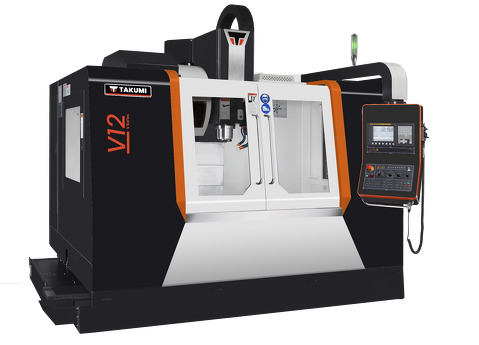
When selecting a machining center, it’s essential to understand the various types available. Vertical machining centers (VMCs) are popular for their versatility and precision. They work effectively for various materials, including metals and plastics. These machines excel in operations like drilling, milling, and tapping. Their design allows for easy access to the workpiece, making setups faster. However, their capabilities may be limited for large parts.
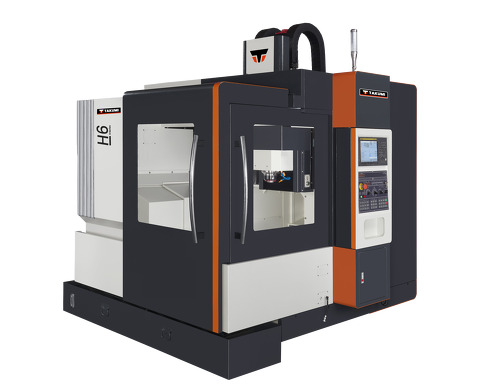
Horizontal machining centers (HMCs) offer distinct advantages, especially for high-volume production. They include a horizontal spindle that improves chip removal. This design leads to better cutting efficiency and longer tool life. HMCs are especially suitable for heavy workpieces and intricate shapes. Yet, they can be more complex to set up and may require more space. Assessing the volume of production can help determine if these are the right choice.
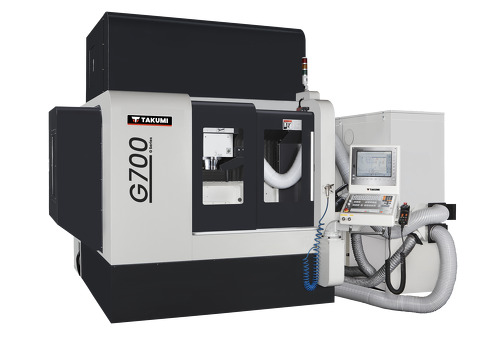
5-axis machining centers provide enhanced flexibility in complex machining tasks. They allow users to work on multiple sides of a part in a single setup. This significantly reduces production time and increases accuracy. However, the learning curve can be steep, and investment costs are higher. Understanding the specific applications and available space is crucial for making the right decision. Each type has strengths and weaknesses, requiring thoughtful consideration of your unique needs.
Machining Centers Applications Comparison
Assessing Your Production Volume and Complexity Needs
When assessing your production volume and complexity needs, it's crucial to understand the type of work you will perform. According to the 2022 Global Machine Tool Market Report, around 40% of manufacturing companies match their machining centers to specific production levels. This means knowing whether your operation will require high-volume runs or low-volume, complex part production.
A machining center should align with your specific output requirements. For high-volume production, you may prioritize speed and automation features. In contrast, if your work involves intricate, low-volume projects, multi-axis capabilities and tooling flexibility might take precedence. Balancing these factors is essential for optimizing productivity.
Tip: Analyze your projected production needs based on past data. This will help in estimating the type of machining center that best fits your operations.
Complexity is another critical aspect. The complexity of parts you manufacture can significantly influence your choice. Reports indicate that nearly 55% of manufacturers report struggling with the adaptability of their equipment for highly complex components. You might need to review the complexity of both current and anticipated projects to ensure your machining center can accommodate future demands.
Tip: Invest time in mapping out potential projects for the next few years. This can aid in making more informed equipment choices.
Budgeting for Purchase, Maintenance, and Operation Costs
When budgeting for a machining center, it’s crucial to consider purchase, maintenance, and operational costs. According to a report by the Manufacturing Technology Association, initial acquisition costs can range from $20,000 to over $500,000 depending on the machine's capabilities and features. This significant investment should align with your production needs and projected growth.
Maintenance costs are often overlooked but can add up quickly. Generally, routine maintenance can account for 5-10% of the machine's purchase price annually. Moreover, unexpected repairs might require an additional 15% of the initial cost each year. Having a reserve budget for these scenarios is essential, yet often neglected by companies.
Operational expenses should also not be underestimated. A report from the National Association of Manufacturers highlights that energy costs can range from $0.03 to $0.1 per operational minute. With machines averaging around 1,800 operational hours annually, these costs become substantial. Businesses must analyze these expenses meticulously to avoid budget overruns and ensure profitability in the long term.
Evaluating Brand Reputation and Customer Support Services
When selecting a machining center, brand reputation plays a crucial role. A brand known for durability and innovation can greatly enhance your production capabilities. Look for companies with a strong track record in the industry. They are often backed by years of experience, which speaks volumes about their reliability.
Customer support services are equally important. Assess their responsiveness and knowledge. A company that offers effective support can save you time and money. In the event of machine malfunction, a knowledgeable support team can minimize downtime.
Consider user reviews. Feedback from current users provides valuable insights. Sometimes brands look impressive on paper, but real-world performance varies. Pay attention to both positive and negative reviews. This will help you gain a deeper understanding of what to expect.