Menü öffnen Menü schließen

10 Best Precision CNC Machining Techniques for High Quality Parts?

In the world of manufacturing, precision CNC machining stands out as a vital process. It offers unmatched accuracy and reliability for creating high-quality parts. Many industries, including aerospace and automotive, rely heavily on these techniques. The ability to produce intricate designs with exact specifications is essential for maximizing performance and efficiency.

However, not all CNC machining methods yield the same results. Each technique has its unique strengths and weaknesses. Understanding these can be challenging, yet it is crucial for manufacturers aiming for excellence. Precision CNC machining is not just about the machinery; it’s about the knowledge and experience behind the process.

Choosing the right technique can significantly impact product quality. Manufacturers must consider factors like material properties and design complexity. Mistakes can lead to costly rework or project delays. Thus, constantly refining machining techniques is key. This exploration of the best precision CNC machining methods will guide you in achieving superior results.
10 Best Precision CNC Machining Techniques for High Quality Parts?

10 Best Precision CNC Machining Techniques for High Quality Parts

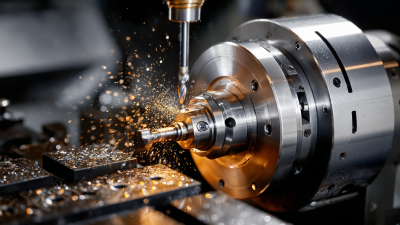
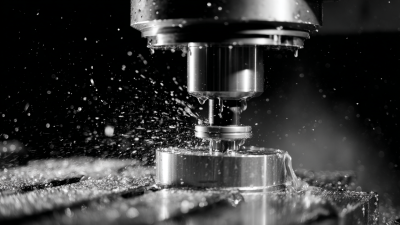
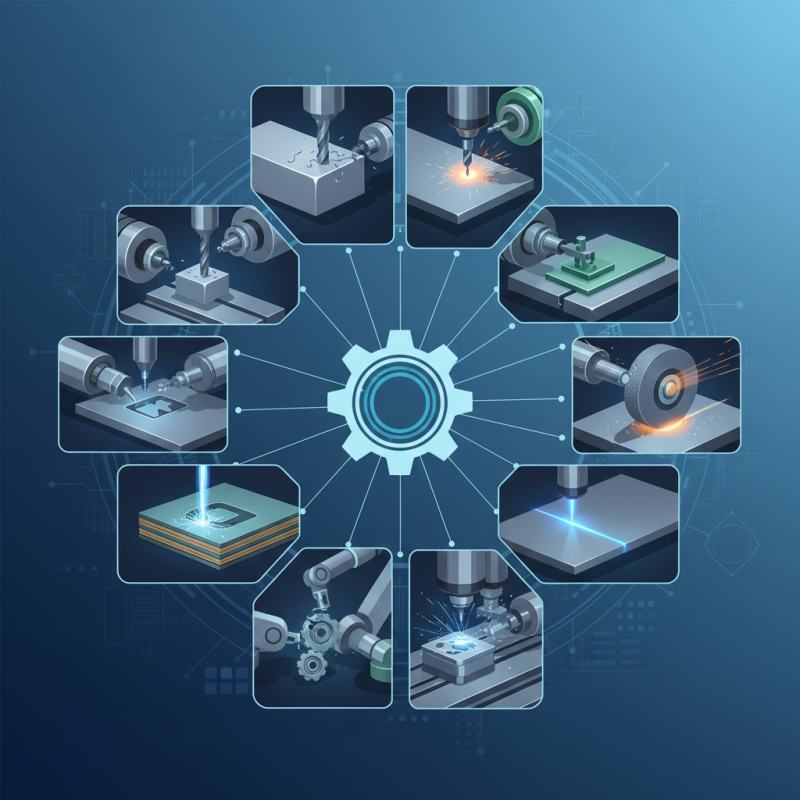
Precision CNC machining plays a crucial role in producing high-quality parts. Different techniques optimize efficiency and accuracy. High-speed machining is one such method, allowing faster material removal. It reduces cycle times and enhances surface finish. However, it may create potential tool wear issues that require regular monitoring.

Another effective technique is multi-axis machining. This allows for complex part geometries without multiple setups. It streamlines production and reduces labor costs. Yet, with increased complexity comes the challenge of more intricate programming and setup. Operators must possess advanced skills to navigate this effectively.

Similar considerations apply to techniques like wire EDM and laser cutting. They provide exceptional precision for specialized applications. However, these methods can be expensive in terms of both equipment and material waste. Balancing cost against the need for high quality becomes essential. Each technique has unique strengths; finding the right one for your projects is key.
Understanding CNC Machining: Definition and Importance in Modern Manufacturing

10 Best Precision CNC Machining Techniques for High Quality Parts?

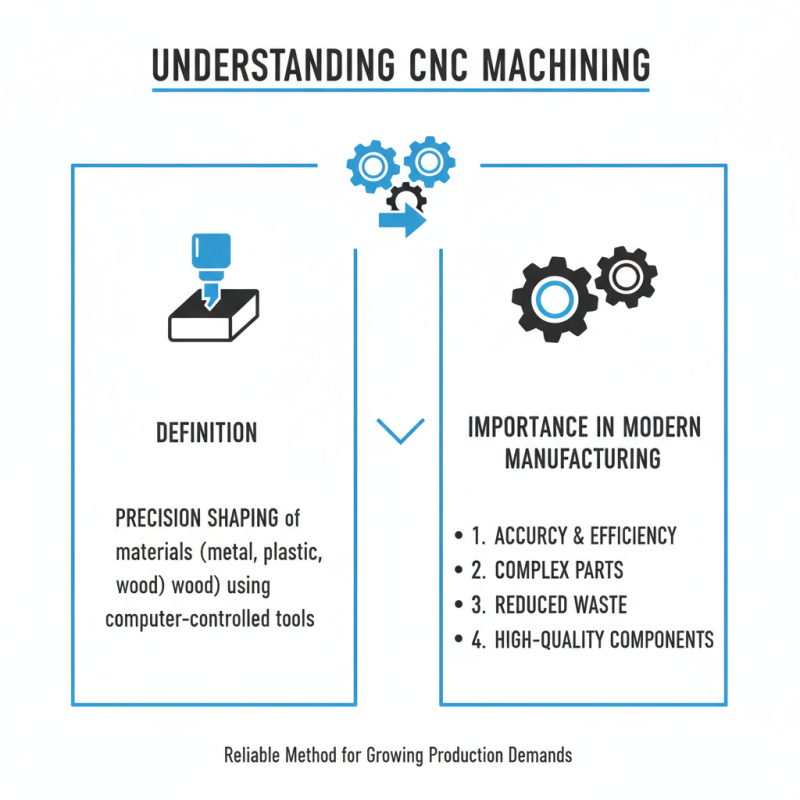
CNC machining plays a vital role in modern manufacturing. This technique allows precise shaping of materials like metal, plastic, and wood. As production demands grow, businesses seek reliable methods to create complex parts. CNC machining meets these needs with accuracy and efficiency. It transforms raw materials into high-quality components with minimal waste.

The importance of CNC machining extends beyond precision. It enables rapid prototyping and mass production alike. Manufacturers can iterate designs quickly, responding to market needs. Yet, achieving high quality isn't always guaranteed. Factors like tool wear and machine calibration can affect outcomes. Continuous training and investment in technology are necessary to maintain competitive advantages in this field.

Challenges do exist within CNC machining. Not all machines perform equally. Some operations may require extensive setup time. Understanding these limitations helps manufacturers improve their processes. By analyzing failures and successes, companies can refine their techniques. In this way, CNC machining remains an essential tool in crafting precise, high-quality parts for various industries.

Key Factors Influencing Precision in CNC Machining Techniques

Precision in CNC machining is vital for producing high-quality parts. Several key factors can significantly influence this precision. One crucial aspect is tool wear, which can lead to dimensional inaccuracies. According to a report by the International Journal of Machine Tools and Manufacture, tool wear can decrease precision by up to 20% if not monitored closely. Regularly inspecting and replacing tools can mitigate this issue.

Another factor is the machining parameters, such as feed rate and spindle speed. These settings directly affect the machining quality. The optimal feed rate varies depending on the material being cut. Any deviation may lead to poor surface finish or dimensional errors. Data shows that slightly reducing the feed rate can enhance part finish without extending production time excessively.

Tip: Always run a test piece before full-scale production. This verification step can save time and resources.

Environmental conditions also play a role. Temperature fluctuations can cause thermal expansion, impacting precision. Research indicates that maintaining a stable temperature in the machining area can improve consistency by up to 15%. Investing in climate control solutions may be an option worth considering for high-precision projects.

Tip: Monitor the temperature regularly to ensure stable conditions.

It’s essential for manufacturers to continuously reflect on these factors. Even small oversights in calibration can lead to significant precision loss. Thus, regular training and process evaluation are necessary for maintaining high standards in CNC machining.

Top 10 Techniques: A Comprehensive Overview of Precision Machining Methods

Precision CNC machining is essential for producing high-quality parts. This method utilizes computer-controlled machines to achieve tight tolerances. Manufacturers often rely on advanced techniques to enhance precision. Industries such as aerospace, automotive, and medical require consistent accuracy.

Let’s explore some techniques that stand out. One effective approach is adaptive control. This method adjusts cutting parameters in real-time for optimal performance. Another technique is simultaneous five-axis machining. It allows for complex geometries and reduces setup time. However, these techniques require skilled operators and can be costly.

Not all techniques guarantee perfection. Each method has limitations that need scrutiny. For instance, while laser machining offers precision, it may produce heat-affected zones. These can compromise the integrity of sensitive materials. Continuous evaluation and refinement are crucial for ensuring quality outcomes in precision CNC machining.

Industry Applications: Where Precision CNC Machining Shines in Production

10 Best Precision CNC Machining Techniques for High Quality Parts?

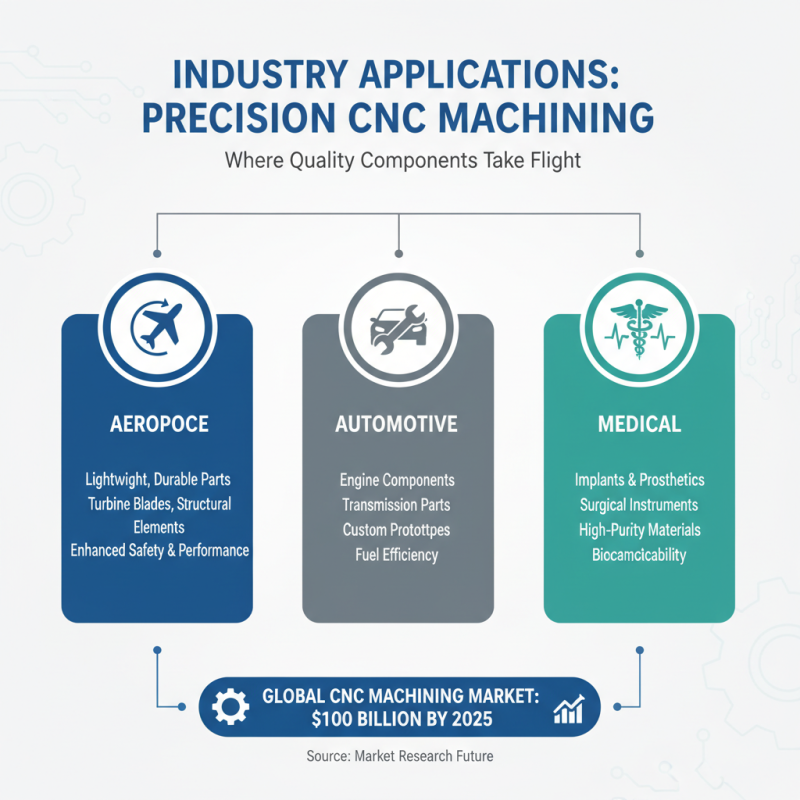
Precision CNC machining has established itself as a cornerstone in various industries, notably in aerospace, automotive, and medical sectors. According to a report by Market Research Future, the global CNC machining market is expected to reach $100 billion by 2025. This growth highlights the increasing reliance on precision techniques to produce high-quality components. In aerospace, for example, the need for lightweight and durable parts drives the demand for advanced CNC machining methods. Components like turbine blades and structural elements benefit from enhanced precision, ensuring safety and performance.

In the automotive sector, precision CNC machining plays a vital role in manufacturing components like engine blocks and transmission housings. The precision levels required can be as tight as ±0.005 mm. This high accuracy is essential for efficiency and reliability in vehicles. However, achieving such precision is challenging. Machinists must constantly calibrate their equipment, which can lead to downtime and increased costs. In the medical industry, CNC machining produces intricate parts for surgical instruments and implants. Each piece must meet rigorous quality standards due to its life-saving applications.

Despite the advancements, the industry faces challenges. Quality control remains a concern, especially with complex geometries. Error rates can lead to significant waste and rework. As CNC technology evolves, continuous training becomes essential. Companies must invest in workers' skills to keep pace with innovations. Balancing precision with cost-effectiveness often requires ongoing evaluation.

Conclusion

The article "10 Best Precision CNC Machining Techniques for High Quality Parts" explores the significance of precision CNC machining in modern manufacturing. It begins with a clear definition of CNC machining and outlines its importance in producing parts of exceptional quality. Key factors influencing precision, such as material selection, machining parameters, and tool design, are discussed, emphasizing their roles in achieving optimal results.

The article presents a comprehensive overview of the top 10 precision CNC machining techniques, detailing their applications across various industries where precision is paramount. Additionally, it highlights quality control measures essential for ensuring the excellence of machined parts, thereby reinforcing the reliability of precision CNC machining as a critical process in contemporary production environments.