
Menü öffnen Menü schließen

What Are the Best China CNC Milling Parts Suppliers?

Choosing the best China CNC milling parts supplier requires more than comparing online prices. It demands practical evaluation, technical knowledge, and careful communication. Reliable suppliers should explain their machining capabilities, material options, tolerance control, and inspection procedures clearly. They should also provide realistic production timelines instead of promising everything immediately.

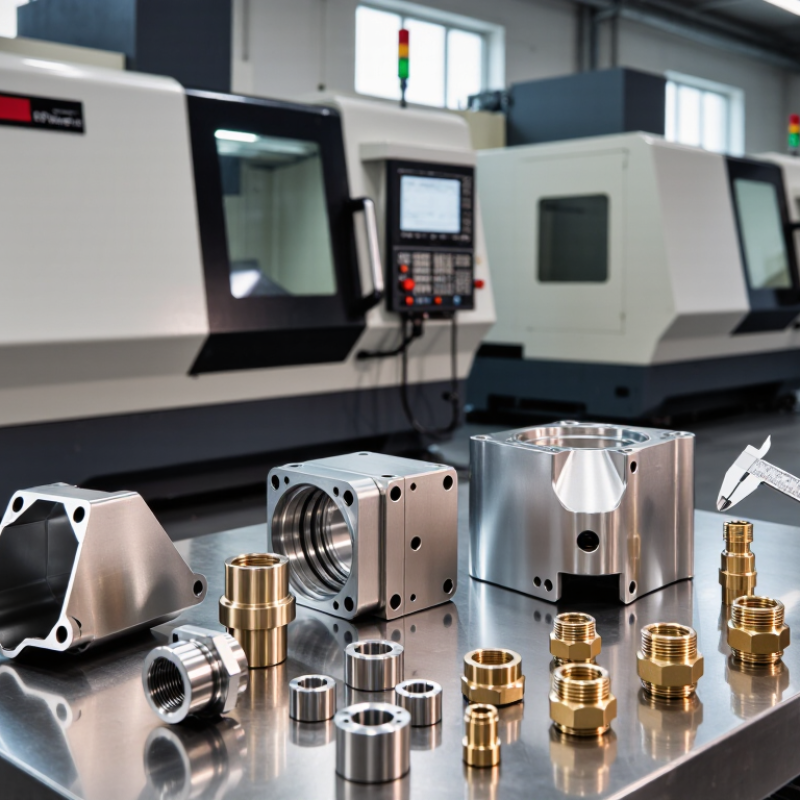
A capable manufacturer can support aluminum brackets, stainless steel housings, brass connectors, and complex prototype components. Ask for material certificates, dimensional inspection reports, and clear surface-finishing details. Photos of finished parts can help, but they do not replace samples or measurable quality records. A trial order often reveals more than a polished website. Check edge quality, hole accuracy, thread performance, and packaging after delivery.

Experience matters.

The strongest Cnc Milling Parts suppliers usually understand how design changes affect machining cost and production stability. They may suggest better tool access, revised corner radii, or a more suitable alloy. That advice can reduce waste and improve consistency. However, no supplier is perfect, and early assumptions can be wrong. A factory may appear highly capable but struggle with unusual tolerances or changing specifications. This is why supplier selection should include sample testing, written requirements, and responsive engineering support.

This guide examines supplier experience, equipment, quality systems, communication, pricing, and delivery reliability. It also considers certifications and export documentation where relevant. The goal is not to name one universal winner. It is to help buyers identify a dependable partner for their specific Cnc Milling Parts requirements.
What Are the Best China CNC Milling Parts Suppliers?

Understanding China CNC Milling Parts Suppliers

Understanding China CNC Milling Parts Suppliers

China’s CNC milling supplier base is broad, but capability varies sharply. Grand View Research valued the global CNC machine market at approximately $83.6 billion in 2023. This growth attracts experienced factories and less mature workshops. A supplier’s website proves little. Buyers should inspect machining equipment, material controls, inspection records, and production evidence.

China’s manufacturing depth is significant. The International Federation of Robotics reported 276,288 industrial robots installed in China during 2023, representing about 51% of global installations. However, automation does not guarantee accurate milling parts. Ask whether the supplier uses calibrated coordinate measuring machines, documented first-article inspections, and lot-level material certificates. For aerospace, medical, or precision equipment, verify tolerance capability with actual sample reports, not promises.

Request a clear quotation. It should identify alloy grade, surface finish, tolerance, packaging, tooling, and inspection scope. A capable supplier will explain risks before production, including thin-wall distortion, burr formation, and difficult internal features. I would also test communication with a small pilot order. That step is easy to skip. It is often the most revealing.

Supplier evaluation remains partly imperfect. Public market reports describe capacity, not the reliability of one factory. Reviewers should compare rejected-part rates, corrective-action speed, delivery history, and engineering support. An audited quality system helps, but practical evidence matters more. Ask for traceability from raw bar stock to final inspection.

Key Factors for Evaluating Supplier Capabilities

Choosing the best China CNC milling parts supplier requires more than comparing prices. Capability should be visible in daily production details. Ask for recent sample parts made from similar materials, such as aluminum, stainless steel, or engineering plastics. Examine edge quality, hole positions, surface finish, and burr control. A supplier with real experience can explain these results clearly.

Review the factory’s equipment list and machining range. Check machine travel, axis configuration, spindle performance, and expected tolerances. Quality control also matters. Look for coordinate measuring machines, height gauges, surface roughness testers, and current calibration records. Request an inspection report linked to the correct drawing revision. Small errors can become expensive.

Do not ignore communication. Ask how engineers handle unclear drawings, tolerance conflicts, and design-for-manufacturing concerns. Their questions often reveal more than a polished presentation. Material certificates, batch records, and process traceability should be available. A video audit can help, but it cannot replace a pilot order. Use a small trial to check lead time, packaging, inspection accuracy, and response to defects. Some suppliers may promise tighter tolerances than their equipment can consistently achieve. That deserves careful questioning. Perfect claims are not always reassuring.

Comparing Manufacturing Quality, Materials, and Tolerances

Quality begins with evidence, not polished photographs. The 2023 ISO Survey recorded more than one million ISO 9001 certificates worldwide, yet certification alone cannot prove machining accuracy. A stronger supplier comparison examines process controls, inspection records, and corrective-action history. Ask for material certificates with heat numbers, chemical composition, and mechanical properties. For aluminum, 6061-T6 offers useful strength and machinability. Stainless steel 316L resists corrosion but demands sharper tooling and better heat control. PEEK needs careful fixturing because thermal expansion can distort thin walls.

Tolerance claims require context. A supplier may advertise ±0.01 mm, but that figure often applies only to selected features. Review the drawing datum scheme, measurement equipment, and temperature control. ISO 2768 can support general tolerances, while ISO 286 defines standardized tolerance grades and fits. For tighter work, request a capability study, including Cpk values from repeated production samples. A Cpk above 1.33 is commonly treated as capable, although customer risk may require more.

Dimensional reports should identify the gauge, calibration date, and actual readings. Surface roughness also matters; Ra 1.6 μm feels very different from Ra 6.3 μm on a sliding component. ASTM and ISO material standards help, but certificates can still contain clerical errors. I have seen excellent first articles followed by inconsistent batches. That weakness deserves attention. Compare suppliers using the same drawing, material, batch size, and inspection plan. That is the fairest test.

Assessing Certifications, Pricing, Lead Times, and Communication

Choosing China CNC milling parts suppliers requires more than a low quotation. Ask for current ISO 9001 certification, calibration records, and material traceability. A certificate alone proves little. Check the issuing body, scope, and expiry date. For aluminum housings, request the alloy report and inspection results for critical dimensions. I also look for documented corrective actions. They reveal how a workshop handles failure. Small details matter.

Pricing should show machining, tooling, finishing, inspection, packaging, and shipping separately. An unusually cheap quote may exclude deburring or first-article inspection. Ask how prices change with quantity, tolerance, and drawing revisions. Lead time needs a production schedule, not a hopeful date. Confirm sample approval, material arrival, machining, and final inspection stages. A supplier promising seven days may need twelve after engineering questions appear. Build a buffer. I sometimes underestimate this.

Communication is measurable. Send one drawing with three tolerance questions and observe the reply. A reliable engineering contact confirms unclear datums, surface requirements, and file versions. Photos of fixtures, in-process measurements, and packing can reduce surprises. Time-zone differences are manageable when updates follow an agreed schedule. Vague replies are warning signs. Perfect English is not the standard. Accurate technical feedback is. Use a written change log, because memory fails on busy projects. Ask for a video call when dimensions or finishes remain disputed. This may feel slower. It often prevents rework.

How to Select the Best Supplier for Your CNC Milling Parts

What Are the Best China CNC Milling Parts Suppliers?

Selecting a CNC milling supplier requires more than comparing prices. A reliable supplier should understand your drawings, material requirements, tolerances, and surface finish. Ask for inspection records from similar projects. Review sample parts before approving mass production. A clean sample is useful, but it does not prove consistent production. Request a process plan, equipment list, and realistic delivery schedule. Suppliers should explain how they control tool wear, dimensional changes, and rejected parts. Clear answers matter.

Tips: Send complete drawings, tolerance notes, material grades, and expected quantities. Ask how critical dimensions are measured. Confirm whether reports include actual readings, not only pass-or-fail statements. Check communication speed, too. Slow replies can become expensive during production changes. A video call may reveal more than a polished website.

Experience also suggests checking traceability. Each batch should connect to material certificates, inspection data, and production dates. Confirm packaging details, especially for thin walls, sharp edges, or finished surfaces. Ask about backup machines and maintenance routines. Some suppliers promise every capability. That can be a warning. Focus on evidence instead. No supplier is perfect. I have seen excellent prototypes fail during scaling because inspection steps were never updated. Therefore, discuss corrective actions before problems appear. A practical supplier welcomes questions, documents changes, and admits limits. That honesty often protects your schedule better than the lowest quotation.

What Are the Best China CNC Milling Parts Suppliers?

How to Select the Best Supplier for Your CNC Milling Parts

When evaluating a CNC milling supplier, check whether its equipment, tooling, inspection process, and quality documentation match your required materials. The chart shows approximate room-temperature densities for commonly machined materials; density affects cutting forces, tooling selection, machining parameters, and part weight.

Values are representative material densities in grams per cubic centimeter (g/cm³).