Top 10 Benefits of Flexible Busbar for Global Buyers?
The demand for efficient energy solutions is rising globally. Flexible Busbar technology offers innovative solutions to meet these needs. According to industry reports, the busbar market is projected to grow significantly, with flexible options gaining traction due to their adaptability and cost-effectiveness.
Flexible Busbar systems are essential in modern electrical distribution. They streamline power transmission and support various configurations. Research indicates that businesses adopting flexible busbars can reduce installation time by up to 40%. This efficiency can translate into lower operational costs and increased productivity.
Despite these benefits, some users still hesitate to transition. Concerns about durability and performance may linger. However, numerous case studies highlight successful implementations, proving the reliability of Flexible Busbar systems. Embracing this technology is crucial for businesses seeking to enhance their electrical infrastructure.
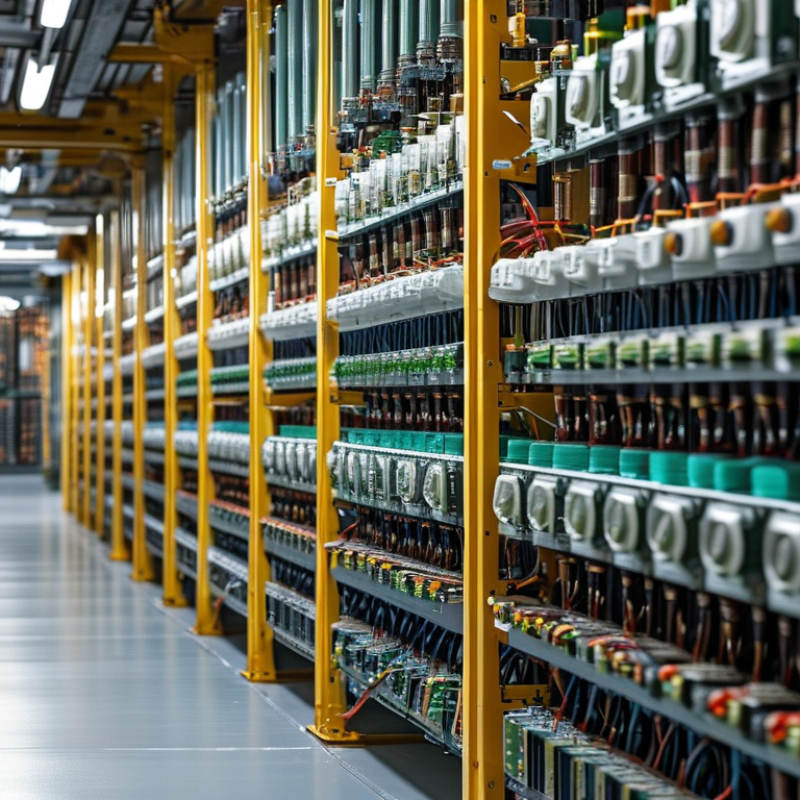
Top 10 Benefits of Flexible Busbar for Global Buyers
Flexible busbars are gaining traction in various industries due to their significant benefits. They provide excellent adaptability in electrical systems. Their design enables efficient space utilization, which is crucial in confined spaces. According to a study by Research and Markets, the flexible busbar market is projected to grow at a CAGR of 6.5% by 2027. This growth reflects increasing demands for compact and customizable electrical solutions.
One of the key advantages is their enhanced thermal management. Flexible busbars can dissipate heat more effectively than traditional busbars. This feature prolongs the lifespan of electrical systems. A report by Technavio highlights that systems utilizing flexible busbars often exhibit a reduction in operational costs by up to 20%. This cost efficiency is attractive for buyers aiming to optimize budget allocations. However, potential limitations include their complex installation process and sensitivity to environmental factors.
Flexible busbars are also known for their superior conductivity. This characteristic improves overall energy efficiency. A case study from the IEEE shows that they deliver up to 99% efficiency in high-load applications. However, buyers must consider potential fluctuations in performance under extreme conditions. Such factors could impact reliability in certain environments. Balancing these benefits against potential challenges is essential for making informed purchasing decisions.
Introduction to Flexible Busbar Technology and Its Applications
Flexible busbar technology is gaining traction across various industries. This innovation allows for efficient energy distribution in compact spaces. Unlike traditional rigid busbars, flexible busbars can adapt to the layout of electrical systems. This adaptability is crucial in tight environments, allowing for easy installation and modification.
The applications of flexible busbars are vast. They are commonly used in data centers, industrial machinery, and renewable energy systems. Their lightweight design reduces the structural load on installations. Additionally, flexible busbars offer a lower risk of mechanical damage during setup. However, some users may find challenges when integrating them into existing systems. Understanding these pitfalls is essential for successful implementation.
While flexibility offers significant benefits, there are trade-offs. Users may need to balance flexibility and conductivity. Each application may require a unique configuration of the busbar. These considerations can lead to a more tailored solution, addressing specific operational needs. Overall, the future of flexible busbar technology looks promising but requires careful thought from buyers.
Cost-Effective Solutions: How Flexible Busbars Reduce Overall Installation Costs
Flexible busbars offer significant cost advantages for installation. The modular design allows for easier customization. This means less waste and reduced need for additional materials. Projects can proceed faster when using these flexible solutions. Time saved in installation translates to lower labor costs.
Many engineers find them easier to work with than traditional wiring. This ease can lead to less trial and error during setup. However, some users may need time to adapt to new systems. Training staff can be an added initial cost. Still, the long-term savings often outweigh these challenges.
Cost-effectiveness also stems from reduced maintenance. Flexible busbars tend to require fewer repairs over time. This reliability is crucial in preventing unexpected expenses. Nonetheless, it’s vital to ensure proper installation practices. A poorly executed setup could negate potential savings. Overall, flexible busbars present an enticing option for budget-conscious projects.
Enhanced Electrical Performance: The Efficiency of Conductivity in Flexible Busbars
Flexible busbars are gaining attention for their enhanced electrical performance. Their unique design contributes significantly to the efficiency of conductivity. Studies suggest that flexible busbars can achieve electrical conductivity ratings exceeding 90%. This surpasses traditional materials, which typically average around 75% conductivity efficiency. The ability to adapt to complex layouts without losing performance is vital for modern applications.
One compelling aspect is their thermal management capabilities. According to industry reports, flexible busbars can tolerate higher temperatures, minimizing losses due to heat. Effective heat dissipation is crucial in high-performance environments. For instance, less conductive materials often lead to overheating, which can compromise system integrity. Flexible busbars provide a more reliable solution that enhances overall system longevity.
However, there is a need for further examination of durability under various mechanical stresses. While they show promise, not all flexible busbars are created equal. Potential buyers should investigate the specific properties of each product. Examining data on wear resistance and fatigue life will be essential. Buyers must weigh these factors against performance claims to make informed decisions.
Space Optimization: The Advantage of Compact Designs for Modern Installations
Space optimization is crucial in modern installations. With urban areas becoming denser, every square foot counts. Flexible busbars offer compact designs that effectively utilize limited spaces. According to a report by MarketsandMarkets, the global market for flexible busbars is projected to grow significantly, demonstrating their increasing importance in electrical distribution.
These innovative designs reduce installation space requirements. This means more room for other essential equipment. In many cases, flexible busbars can cut down on overall installation size by up to 30%. This is particularly valuable in environments where real estate costs are high. They can also simplify routing in tight spaces.
Despite these benefits, not all designs are created equal. Some users report difficulties during installation due to improper planning. A study from the Electric Power Research Institute highlights that insufficient training on flexible busbar systems can lead to installation errors. Understanding the nuances of these products is essential for maximizing their advantages. It’s a reminder that while flexible busbars present solutions, they require careful consideration to avoid pitfalls.
Top 10 Benefits of Flexible Busbar for Global Buyers
| Benefit | Description | Impact on Installation |
| Space Optimization | Compact designs reduce physical footprint in installations. | Maximizes usable space for equipment and cables. |
| Flexibility | Easy to configure for various layouts and applications. | Allows for easy modifications without extensive redesign. |
| Reduced Weight | Lighter materials lead to easier handling and installation. | Less strain on supporting structures and lower transportation costs. |
| Enhanced Safety | Design reduces contact risks and improves insulation. | Lower likelihood of electrical accidents during operation. |
| Cost Efficiency | Less material usage and lower labor costs for installation. | Overall reduction in project expenditures. |
| Scalability | Easily expandable as demands increase. | Facilitates growth without major rebuilds. |
| Durability | Materials are resistant to corrosion and wear. | Longer lifespan reduces the need for replacements. |
| Aesthetic Appeal | Sleek designs improve the visual appearance of installations. | Enhances overall facility image. |
| Ease of Maintenance | Simplified access makes routine checks easier. | Fewer downtimes and increased operational efficiency. |
| Environmental Impact | Less waste produced during manufacturing and installation. | Contributes to sustainability efforts in construction. |
Conclusion
Flexible busbar technology offers a range of significant advantages for global buyers, making it an appealing choice for various electrical applications. One of the key benefits is its cost-effectiveness; flexible busbars can substantially lower overall installation costs by simplifying the assembly process and minimizing material waste. Additionally, the enhanced electrical performance ensures efficient conductivity, leading to reduced energy losses and improved system reliability.
In terms of design, flexible busbars provide exceptional space optimization, allowing for more compact installations that can adapt to limited spaces in modern infrastructures. Furthermore, their superior durability means that these systems are built to withstand harsh conditions, ensuring longevity and reliable operation over time. Consequently, the adoption of flexible busbar solutions is increasingly seen as a prudent investment for industries seeking efficiency and reliability in their electrical systems.